Home Page

  |  

Our Research


Multimorbidity in children with autism

Autism | Last Updated: 03 Feb 26

Background

Children and young people with autism may be more likely to experience poorer health than their peers without autism. We aimed to investigate the comorbid conditions in a whole country population of children and young people aged 0-24 years with and without autism. 

What we found

A total of 25,063/1,548,819 (1.6%) children and young people had autism: 19,880 (79.3%) males and 5183 (20.7%) females. Autism had an odds ratio of 5.4 (5.1–5.6) for predicting deafness/partial hearing loss, odds ratio of 8.9 (8.1–9.7) for blindness/partial sight loss, odds ratio of 49.7 (38.1–64.9) for learning disabilities, odds ratio of 15.7 (13.4–18.5) for mental health conditions, odds ratio of 15.8 (14.1–17.8) for physical disability and odds ratio of 3.9 (3.8–4.0) for other conditions.

What these findings mean

Girls and young women with autism were more likely to have each additional condition than boys and young men, including learning disabilities, suggesting they may have more severe autism than males and adding evidence that autism may be currently underdiagnosed in more intellectually able females. These conditions are disabling and have a significant impact on long-term quality of life. Their coexistence with autism adds extra complexity. It is important to raise clinicians’ awareness of this extent of comorbidity and to have accurate prevalence data to plan prevention and intervention measures.

Project information last updated 7th September 2020. 

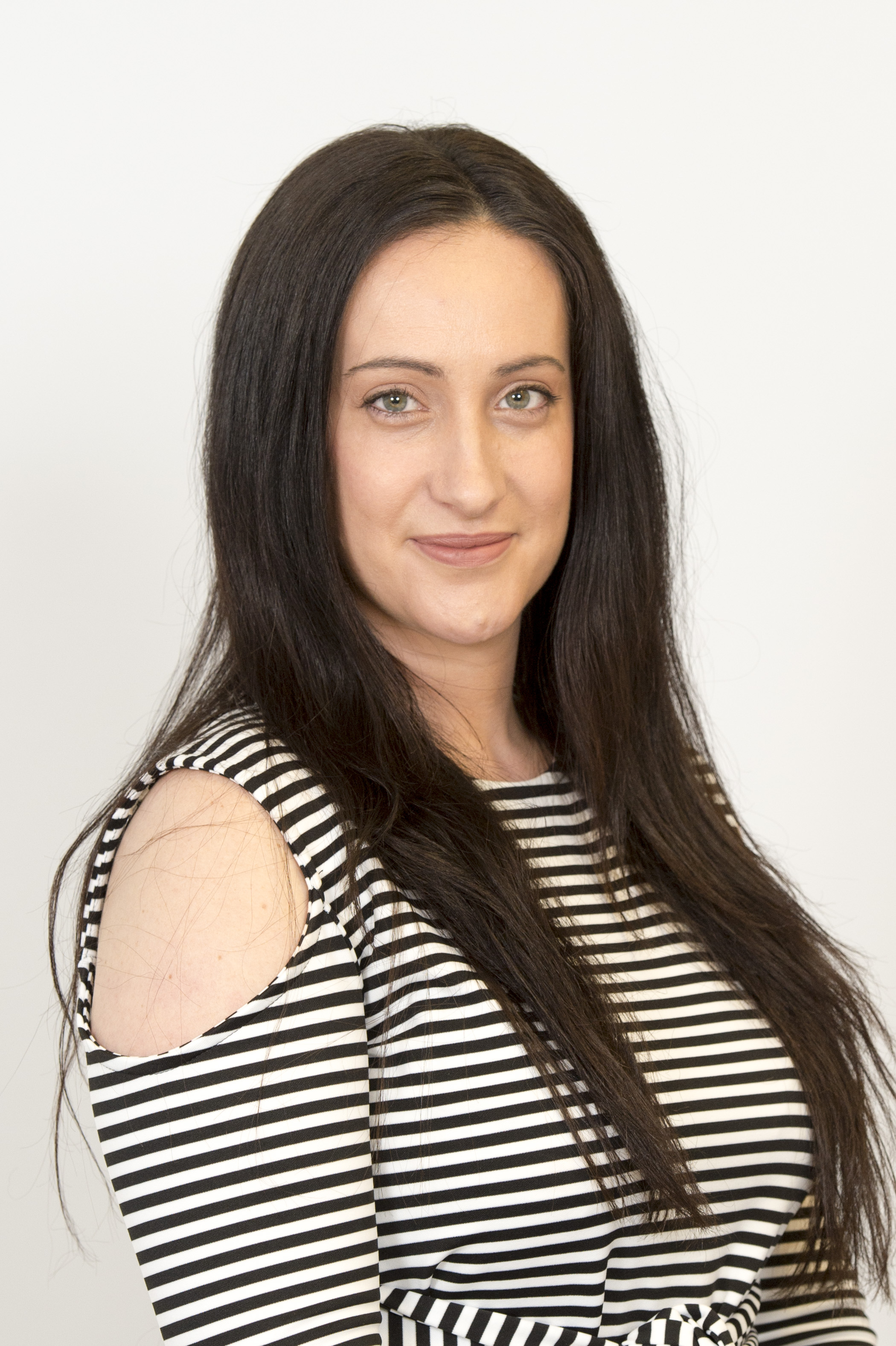
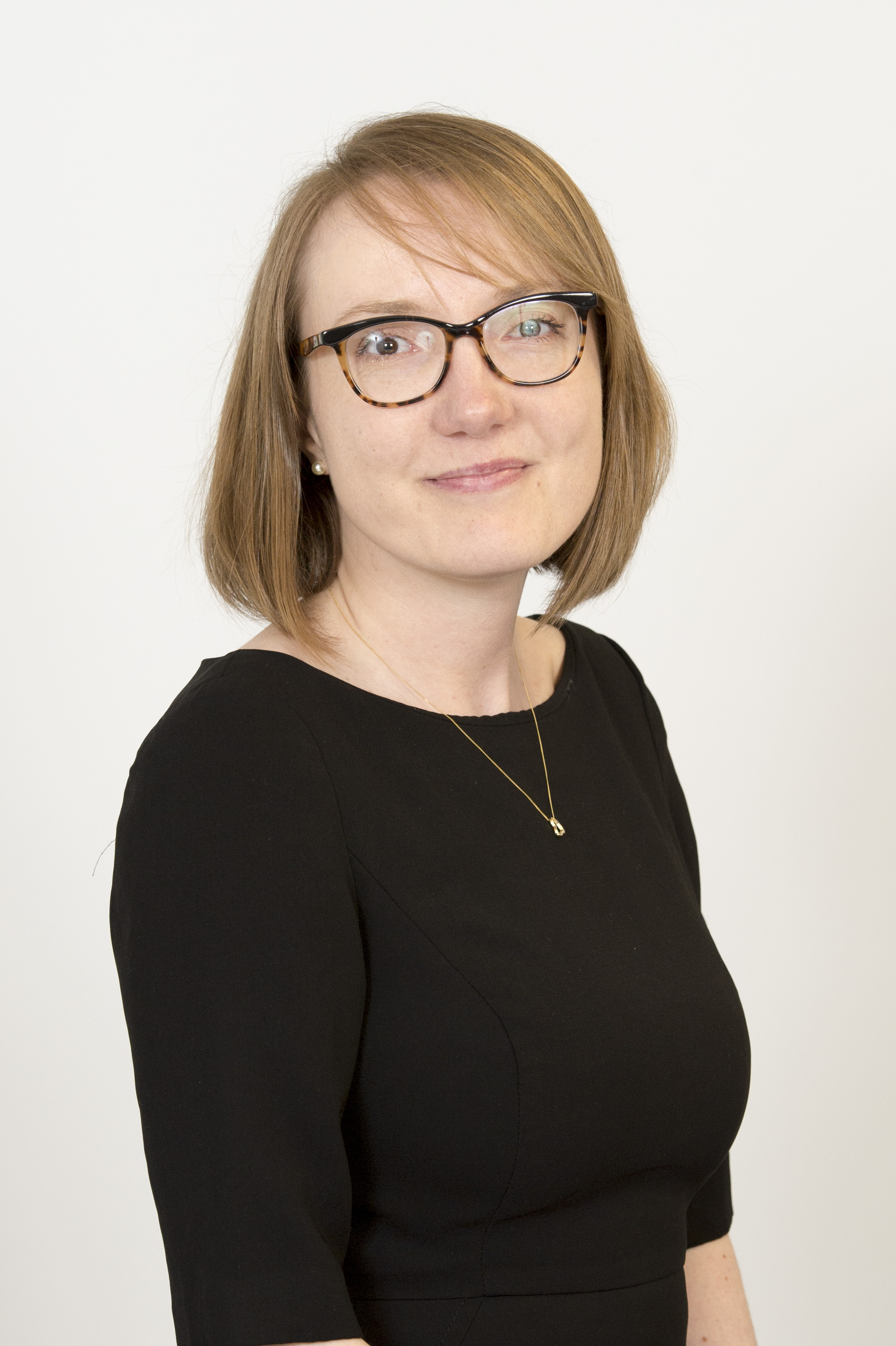
17 128 Laura Hughes Mccormack 001 staff image

Dr Laura Hughes

Laura is a Lecturer in Clinical Psychology at the University of Glasgow, and an affiliate of the Scottish Learning Disabilities Observatory, having joined the team in 2015. With the Observatory, Laura was involved in projects looking at the health of people with learning disabilities in a number of large data-sets, including primary health care records, Scotland's 2011 Census and health records of people born with Down Syndrome in Scotland over a 25 year period. Laura studied Psychology and has extensive experience of working with people with learning disabilities in her previous roles, for example, as a Befriender, a Learning Assistant and an Assistant Psychologist. Read more about Laura at the link below

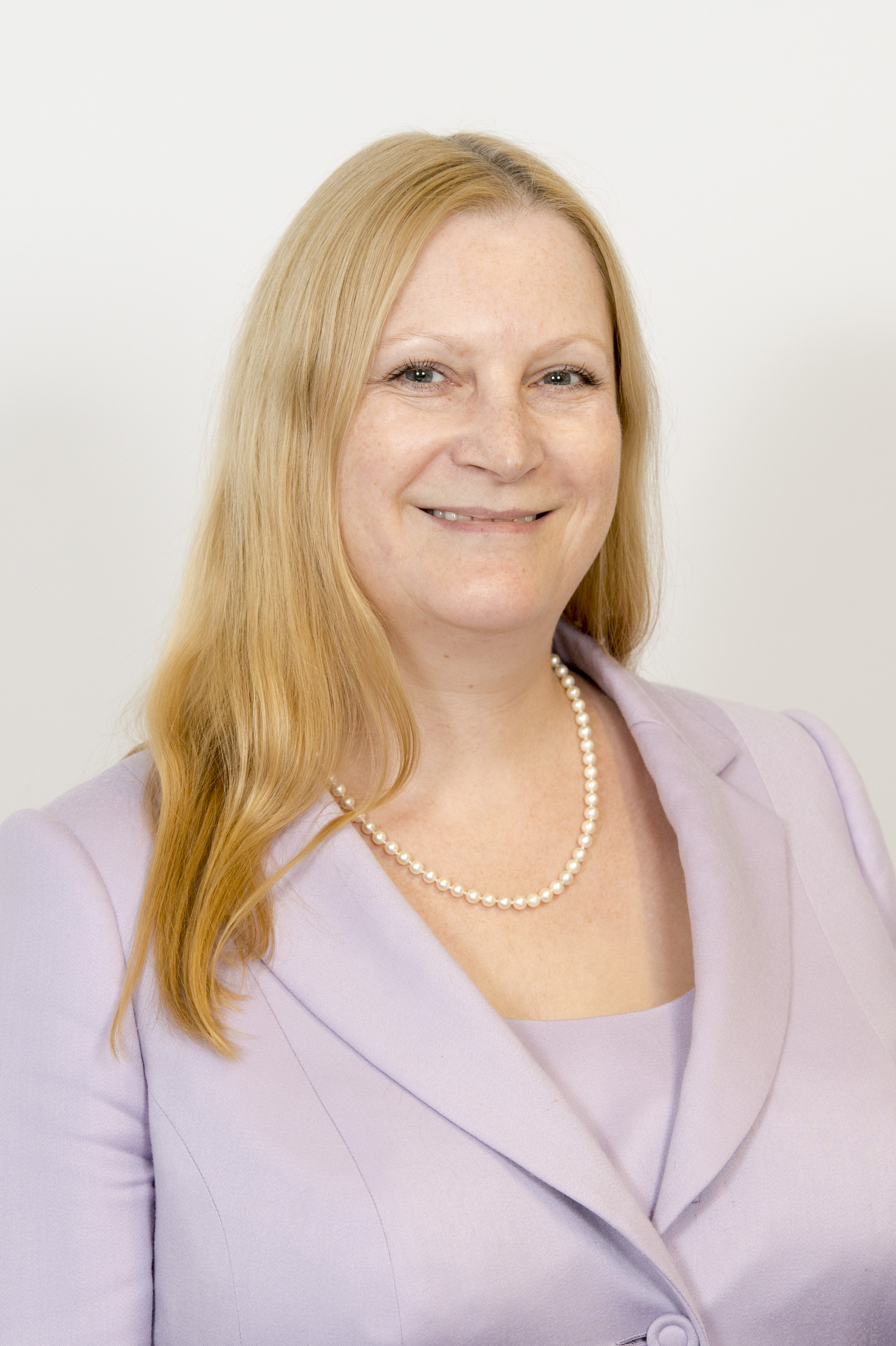
17 128 Ewlina Rydzewska 001 staff image

Dr Ewelina Rydzewska-Fazekas

Ewelina is an Affiliate Associate Researcher with the Scottish Learning Disabilities Observatory. Ewelina's work with the Observatory focused around health inequalities and the health needs of people with autism. She is now based at the University of Edinburgh School as a Lecturer in Health Futures at the Edinburgh Futures Institute and School of Health in Social Science.

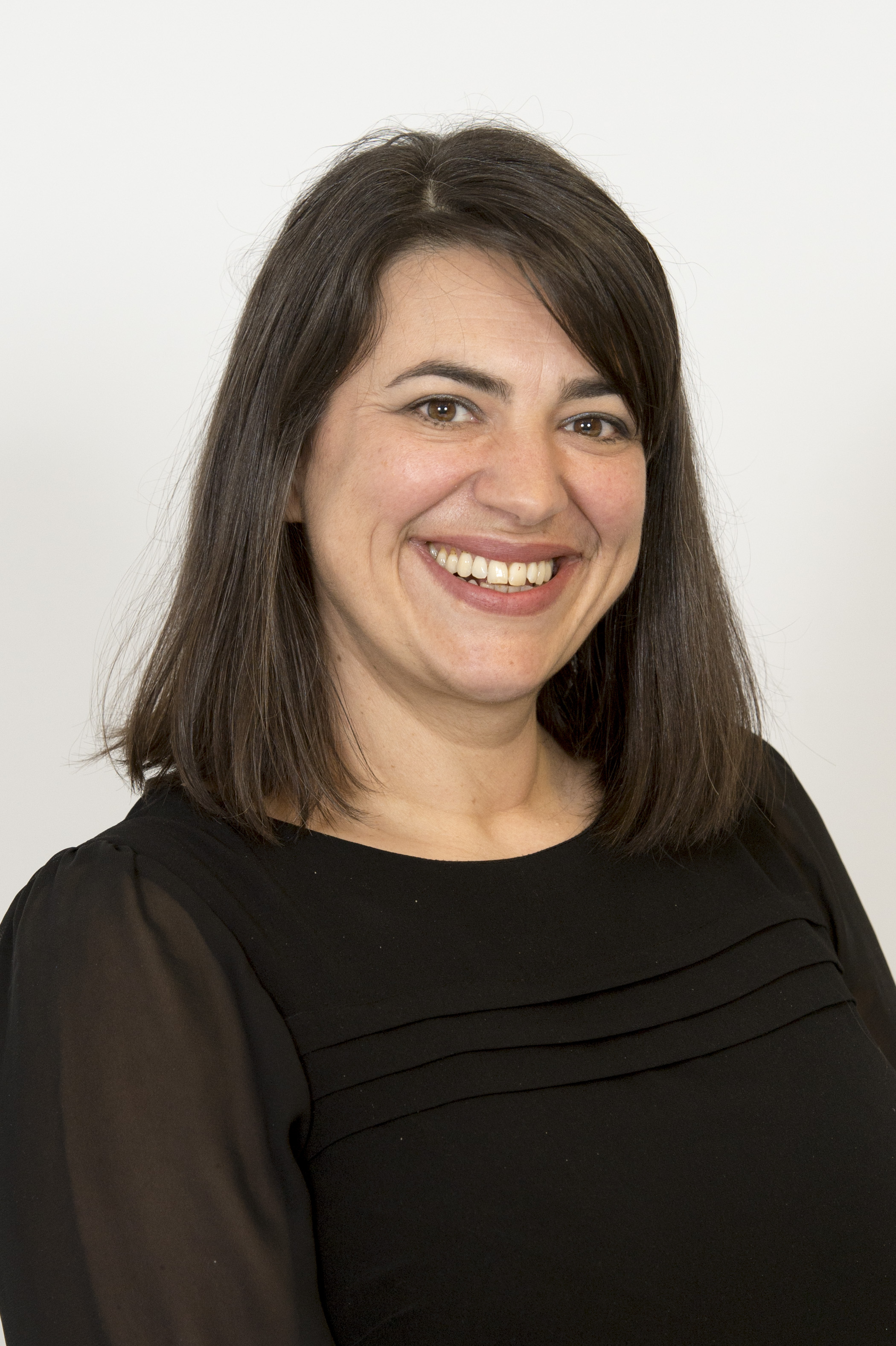
17 128 Anne Cooper 003 staff image

Professor Anna Cooper

Anna set up the Scottish Learning Disabilities Observatory with funding from the Scottish Government. She wants the Observatory to make Scotland fairer and healthier for people with learning disabilities and their families, by: Finding out the health problems people have Finding out how good or bad health care is Telling people about health and health care problems Finding ways to make health and health care better Checking if health gets better or worse over time Helping the Scottish Government, and staff who provide health and social services, to get it right for people with learning disabilities Anna is a doctor. She has done a lot of studies on the health of people with learning disabilities. Anna’s full name is Professor Sally-Ann Cooper.