Home Page

  |  

Our Research


Research for Everyone

Barriers to inclusion in research | Last Updated: 15 Apr 26

Background

In 2018 SLDO colleagues led the Research Voices Project, where a Citizens' Jury of adults with learning disabilities from across Glasgow worked together with researchers at the Scottish Learning Disabilities Observatory to discuss barriers to inclusion and created 10 recommendations for improving access to health research. In 2022, SLDO Director Professor Deborah Cairns was successfully awarded funding from the University of Glasgow's Knowledge Exchange Fund to take forward one of the group's key recommendations: to make health research easier to understand. 

We routinely produce research outputs that are accessible to stakeholders, including Easy Read summaries, video abstracts, lay summaries and infographics. However, it is important that we move beyond making only our learning-disabilities research accessible. The motivations behind Research for Everyone were to:

  • encourage research colleagues from across the University of Glasgow to rethink their approach to research communication to make it more inclusive of diverse stakeholders and research-users
  • to share important health information in multiple ways that are easier to understand and more accessible for as many people as possible. 
  • to build on the identified need to create more opportunities for people with learning disabilities to be involved in research 


What we did

We worked with six self-advocates with learning disabilities, researchers across the University of Glasgow, PAMIS, People First Scotland and Down's Syndrome Scotland, an animation company and a podcast production company over the course of 8 months. As a group, we translated two complex research studies about health – one on the links between heading the ball in football and neurodegenerative disease, and one on the impact on mental health of living with a cancer diagnosis. We co-created three outputs for each research study: a short animation, an infographic and a podcast.

The development processes took place through facilitated workshops, phone calls, text and email correspondence and was shaped and guided by the self-advocate group members from scripts and storyboards to animation styles, podcast hosting and final edits. The three different formats were chosen to support as many people as possible, including those with different communications needs, to engage with research. 

What we found

The animations, infographics and podcasts were launched in October 2023 and shared widely across social media, traditional news media and at two in-person public engagement events in Glasgow to connect with as many people as possible. We have been measuring the efficacy of the outputs via digital surveys, an easy read questionnaire and in person data collection where possible. So far, we have reached over 150,000 people online and have received very positive responses about the importance of making all health research easier to understand for as many people as possible.

Collectively our surveys garnered 152 responses, including people between the ages of 8-70 years old and including people who identified as having a learning disability, or a visual or hearing impairment or being neurodivergent. 29 respondents were researchers. 

97% of all respondents selected that they “enjoyed these ways of learning about research”
98% of researcher respondents said they would like to make their research easier to understand, to engage with a
wider audience;

78% of all respondents liked the short animations and infographics 61% liked the podcast as a resource they would use
for their own research.

Conclusions
We hope that by offering eye-catching visuals, storytelling and an audio format, we can help more people to understand research that is of interest or relevance to them. We believe this project would not have been possible without involving people with LD from the very beginning. The self-advocate group members challenged the typical academic way of sharing complex research and ensured the outputs were easy to understand and meaningful to as many people as possible.

Evaluation data from the Research for Everyone project has been used to inform the development of 'Learn Together', a new training resource for researchers around inclusive, ethical and meaningful research engagement with community partners. Two of the four community partners involved represent people with learning disabilities and neurodivergent conditions. Learn Together is running throughout 2026. 

This project was funded by the University of Glasgow Knowledge Exchange Fund. Special thanks to the 6 lived-experience co-producers: Michael, Aaron, Natalie, Susan, Rosie and John, the team at animation company Media Co-Op and the team at Fresh Air Productions.  Special thanks also to Emma Russell, Willie Stewart, John McLean, Claire Niedzwiedz, Katie Robb and Barbara Nicholl for collaborating with us on this inclusive communications pilot project. 

Research for Everyone animations

Some of the people involved in Research for Everyone

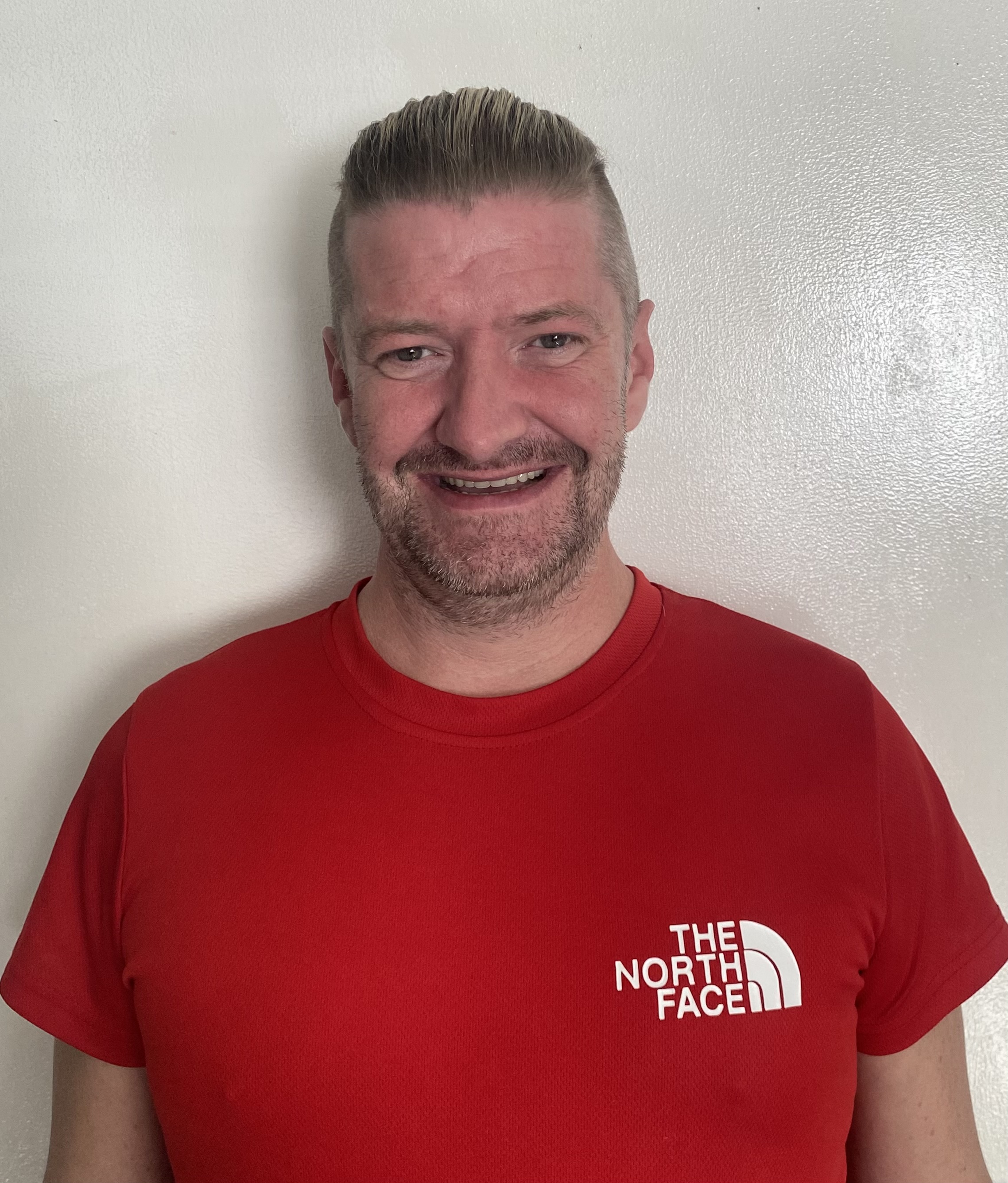
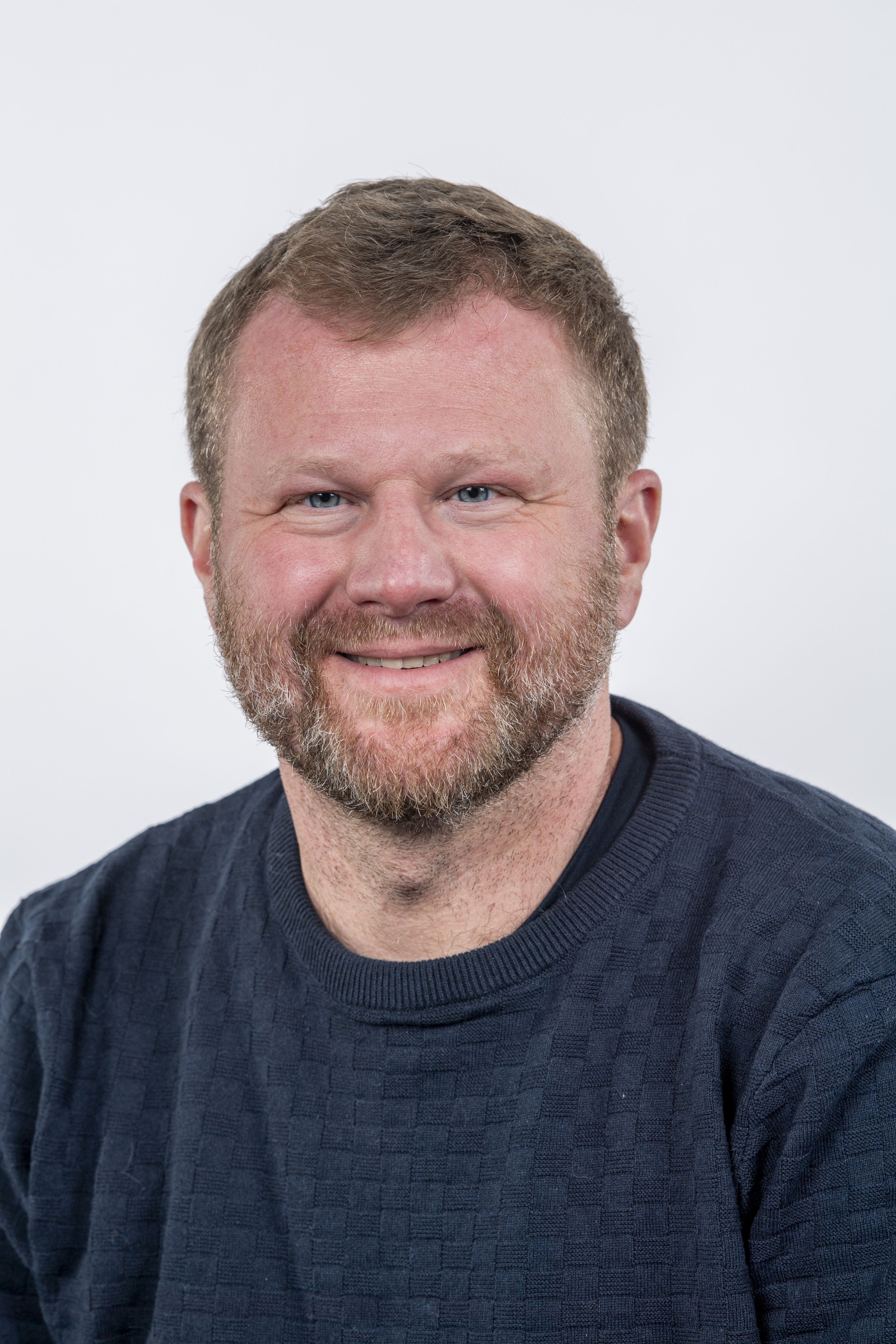
John Cassidy staff image

John Cassidy

John participated in the Citizens' Jury as part of the Research Voices project with SLDO in 2018, and has since worked with the Observatory on a number of projects offering his insights and lived-experiences to research and inclusive communication projects, including This is Me: Valuing the lives of people with learning disabilities, and Research for Everyone. John is a valued member of People First Scotland, a Board Member of Values Into Action Scotland and also an active contributor to various projects led by the Health Foundation, Kings College London and NHS Scotland, as well as working with researchers in Psychology and General Practice here at the University of Glasgow School of Health and Wellbeing.

Aaron Hume Photo Edited staff image

Aaron Hume

Aaron is a researcher, student, and disability rights campaigner from West Lothian. He lives with cerebral palsy, autism, and a moderate learning disability. Aaron is currently studying for an HNC in Social Services at West Lothian College and will begin his HND in Childhood Practice in autumn 2026. His research involvement includes collaborations with universities across the UK and Europe, and he works closely with several third-sector organisations and the Scottish Government on projects focused on human rights, digital accessibility, and upcoming legislation such as the Human Rights Act and the Learning Disability, Autism and Neurodiversity Bill. Aaron was appointed to the National Care Service Advisory Board in early 2026. Aaron is really passionate about using his lived experience and the power of humour to break down the stereotypes and barriers in order to educate future healthcare professionals helping them truly understand the meaning behind the social model of disability, so they can see no person is the same as the next person. With the Scottish Learning Disabilities Observatory, he has worked as a project advisor on inclusive initiatives such as the This Is Me campaign and Research for Everyone project.

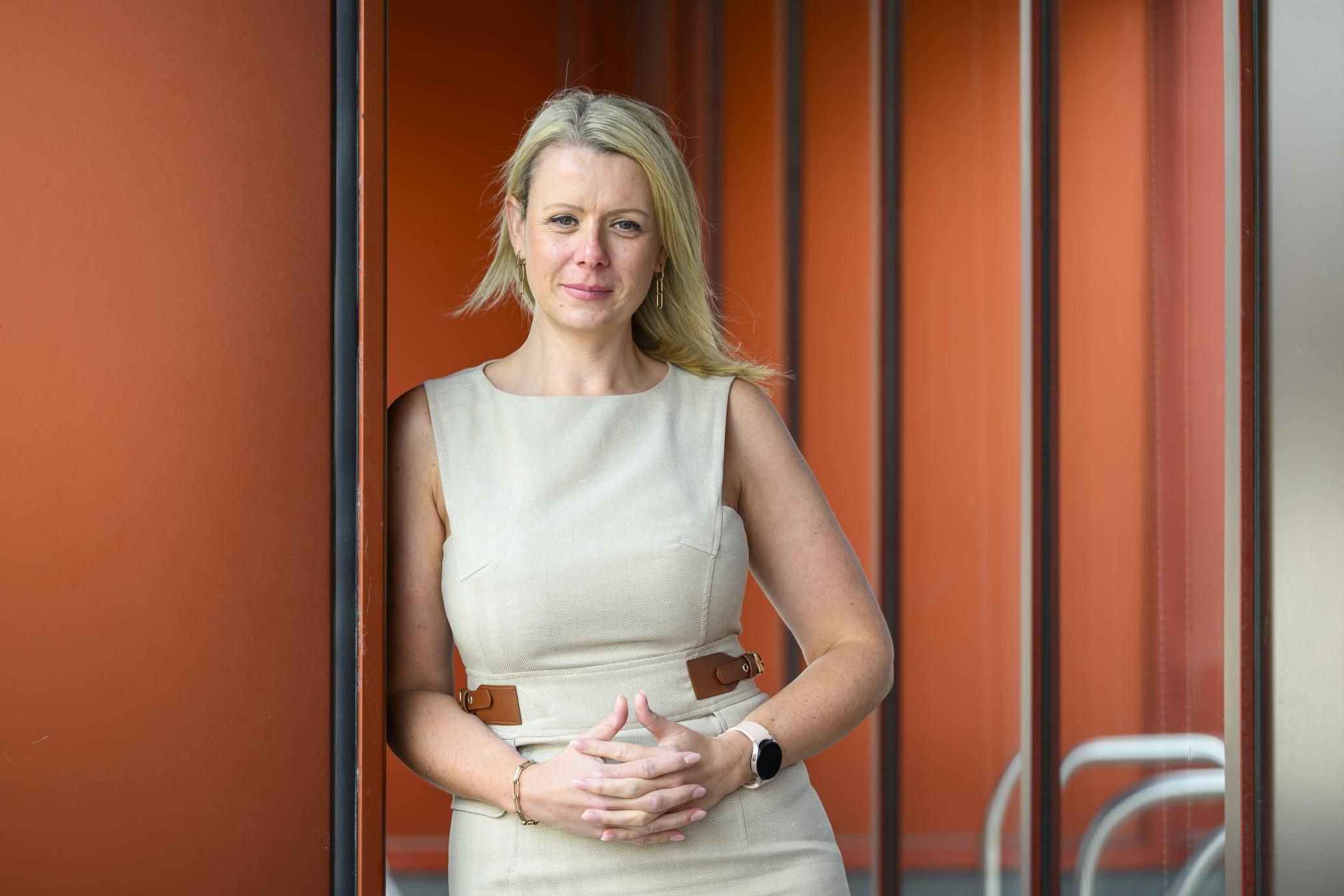
Debbie staff image

Professor Deborah Cairns

Deborah is the Director of the Scottish Learning Disabilities Observatory and Professor of Health and Neurodevelopmental Conditions, in the School of Health and Wellbeing, at the University of Glasgow. Deborah is passionate about her research which aims to improve the health of people with learning disabilities and their families. She has worked on many different projects about people with learning disabilities including: cancer incidence, cancer screening, multi-morbidity (having two or more health conditions), oral health and COVID-19, to name a few. She has also worked on projects about the physical and mental health of family members who support someone with a learning disability. Deborah is committed to conducting research that has impact and works closely with self-advocates with learning disabilities, family carers and third sector organisations who are pivotal in all of her work and who have a shared vision of ensuring the human rights of all people with learning disabilities are recognised, supported and upheld. Read more about Deborah here.

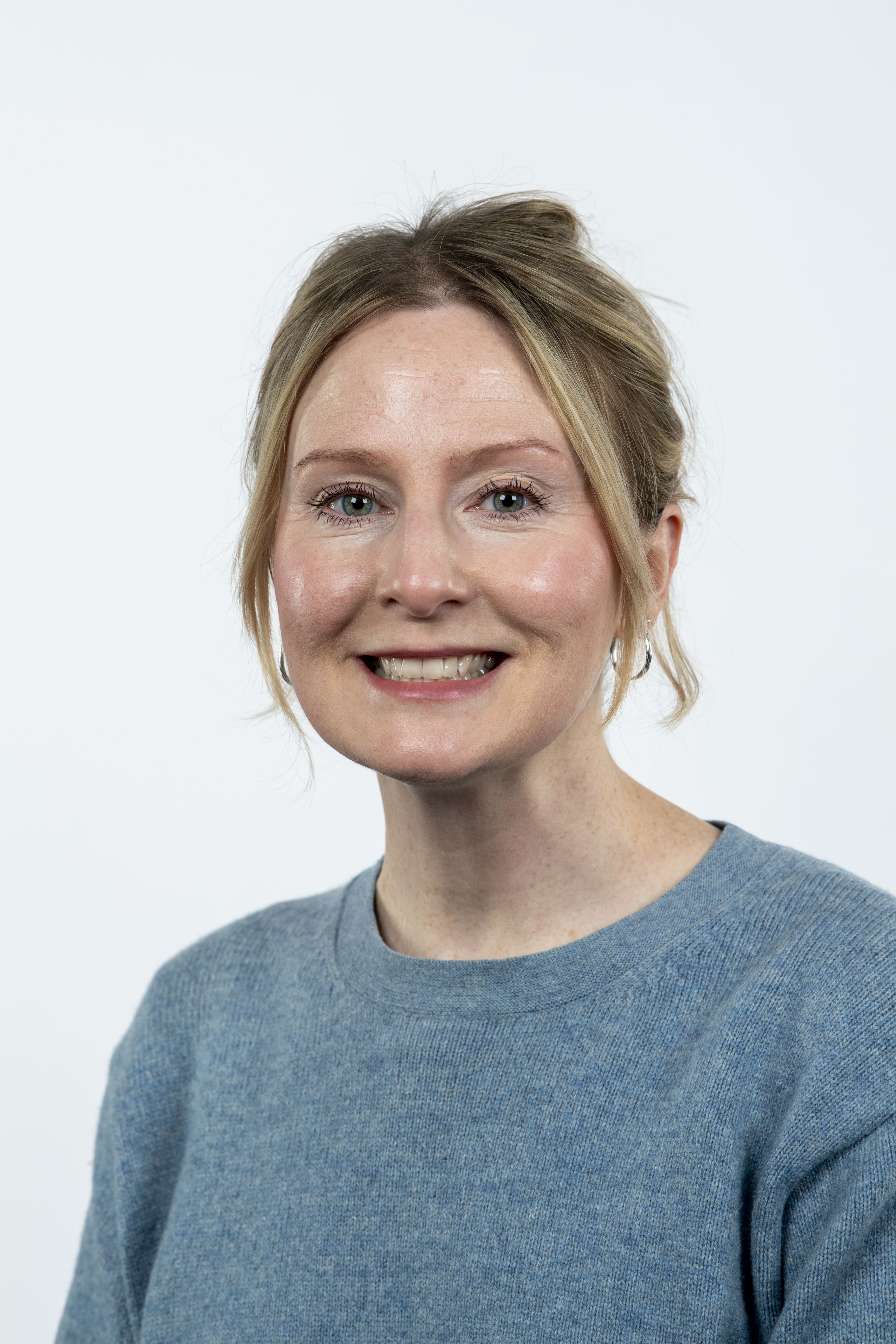
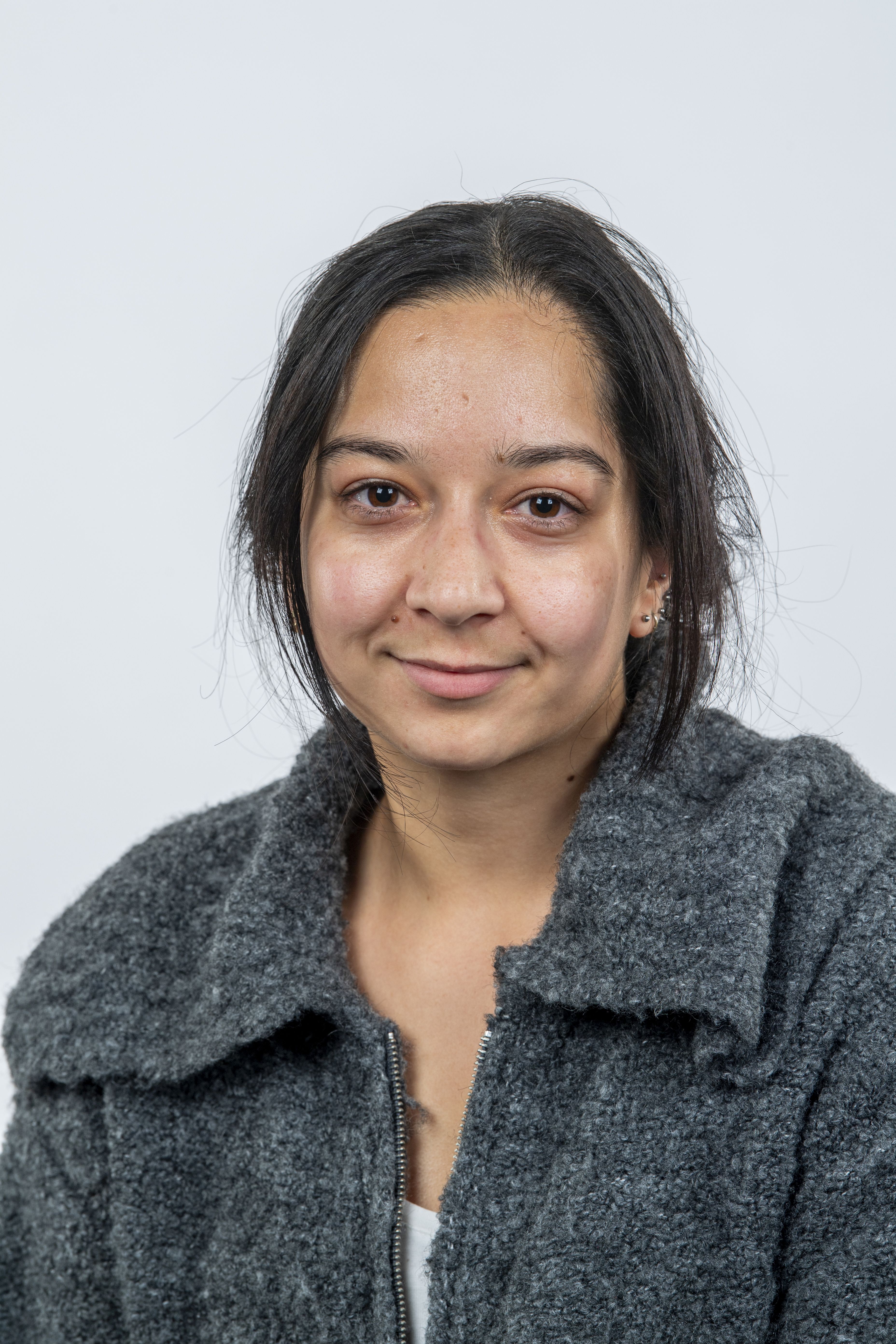
25 035 Scottish Learning Disability Staff Portraits Fiona Barlow 009 staff image

Fiona Barlow

Fiona is the Impact and Communications Officer with the Scottish Learning Disabilities Observatory and leads on strategic communications and public engagement work, supporting the team with knowledge exchange and impact generation. Prior to joining the SLDO team in April 2020, Fiona worked at the University of Edinburgh supporting research projects with a specific focus on socio-economic inequalities in Scotland. Fiona has extensive experience across the field of communications, stakeholder engagement and impact generation and is interested in innovative approaches to knowledge exchange and accessible research dissemination. Before working in research communications, Fiona worked in public affairs, communications and policy roles in the charity sector.

Partners and collaborators involved in this research