Home Page

  |  

Our Research


Early detection of breast cancer in people with learning disabilities through Smart Bra

Cancer Research | Last Updated: 07 May 26

Background

Breast cancer is a major societal, public health, and economic problem, and is a leading cause of death worldwide. Women with learning disabilities are more likely to die from breast cancer, compared to women without learning disabilities. Reasons why women with learning disabilities die earlier from breast cancer include poor uptake of cancer screening. Many women with learning disabilities are unable to engage directly with the mammography machine due to cognitive, sensory and/or physical needs. Conventional mammography equipment therefore presents significant technical barriers that unfairly affect many women with learning disabilities.

To address these challenges, we are developing an innovative Smart Bra solution utilising Electrical Impedance Tomography technology, which demonstrates promising detection capabilities.
What we are doing

The Smart Bra is an innovative approach which reimagines breast cancer screening by eliminating traditional physical barriers and provides diagnosis and monitoring capabilities through integration into everyday clothing. The Smart Bra is being co-designed with women with learning disabilities  and offers a pathway to earlier detection and improved outcomes for women with learning disabilities.

Group member(s) involved with this study

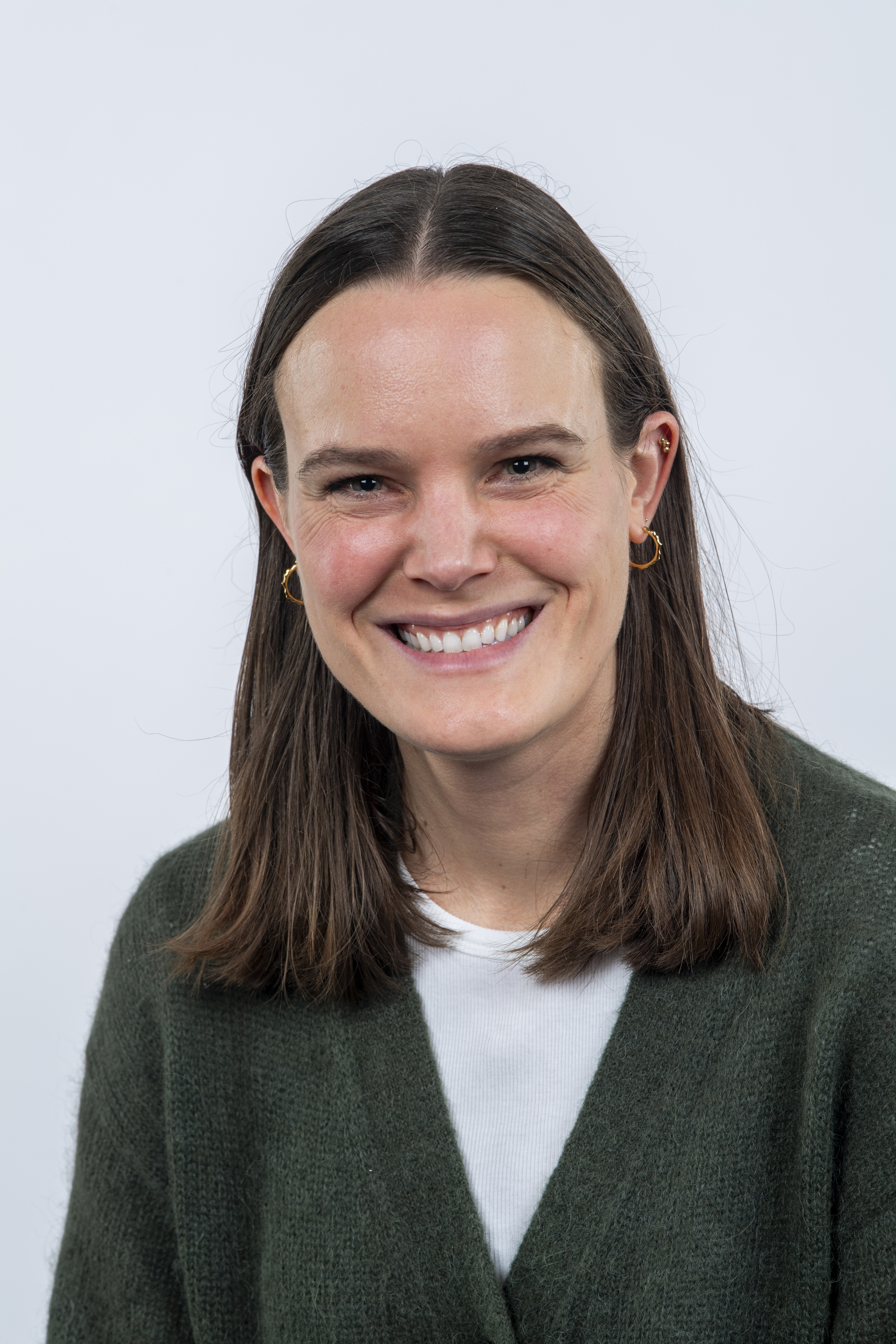
25 035 Scottish Learning Disability Staff Portraits Lauren Fulton 006 staff image

Dr Lauren Fulton

Lauren is a Research Associate and has been working at the University of Glasgow since 2015. She is currently working on projects aiming to increase the uptake of cancer screening among people with learning disabilities. She recently completed a PhD in the School of Health and Wellbeing at the University of Glasgow. Her thesis used qualitative methods to explore how asset-based approaches, social inclusion, and belonging were experienced by people with learning disabilities both during and prior to the Covid-19 pandemic.

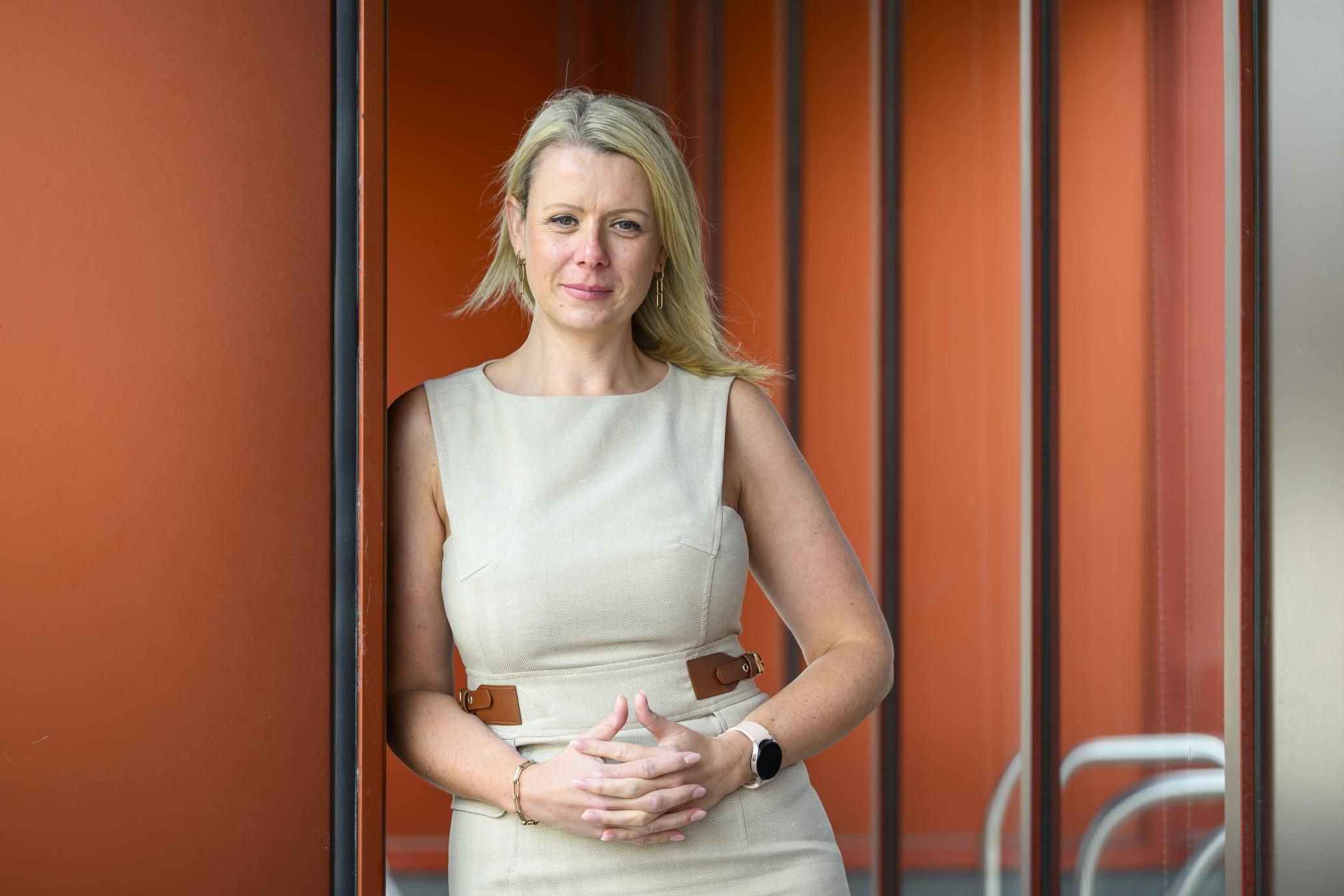
Debbie staff image

Professor Deborah Cairns

Deborah is the Director of the Scottish Learning Disabilities Observatory and Professor of Health and Neurodevelopmental Conditions, in the School of Health and Wellbeing, at the University of Glasgow. Deborah is passionate about her research which aims to improve the health of people with learning disabilities and their families. She has worked on many different projects about people with learning disabilities including: cancer incidence, cancer screening, multi-morbidity (having two or more health conditions), oral health and COVID-19, to name a few. She has also worked on projects about the physical and mental health of family members who support someone with a learning disability. Deborah is committed to conducting research that has impact and works closely with self-advocates with learning disabilities, family carers and third sector organisations who are pivotal in all of her work and who have a shared vision of ensuring the human rights of all people with learning disabilities are recognised, supported and upheld.

Partners involved with this project