Home Page

  |  

Our Research


Psychotropic prescribing to children and young people

Children and Young People | Last Updated: 16 Feb 26

Background

A small number of studies have reported high rates of antipsychotic prescribing in children and young people with challenging behaviours. However, no study has been found to analyse the rates of antipsychotic prescribing for children and young people with learning disabilities and/or autism, compared to the rates in the general population. This study analysed trends in the rate of antipsychotic prescribing in children and young people with learning disabilities and/or autism between 2009 and 2013 in Scotland.


What we did

We linked and analysed the ‘Pupil Census’ which consists of information from publicly funded primary, secondary and special schools in Scotland and the ‘Prescribing Information System’ which contains information on encashed prescriptions in Scotland. The association between antipsychotic prescribing in children and young people with autism and/or learning disabilities and in those without additional support needs were examined using logistic regression models.

What we found

Data collation and linkage is ongoing. On completion, descriptive statistics for key variables such as age, additional support provided, number and class of antipsychotic prescription as well as odds ratios will be reported.

What these findings mean

The substantial health impacts of antipsychotic medications are well documented. This study will provide valuable longitudinal evidence on the use of antipsychotic medications in children and young people with learning disabilities and/or autism compared to those without additional support needs. Comparison of prescribing practices across Scottish health boards will enable targeted action to ensure that antipsychotic prescribing is in line with good clinical practice.

Project information last updated 1st May 2018. 

Group members involved with this study

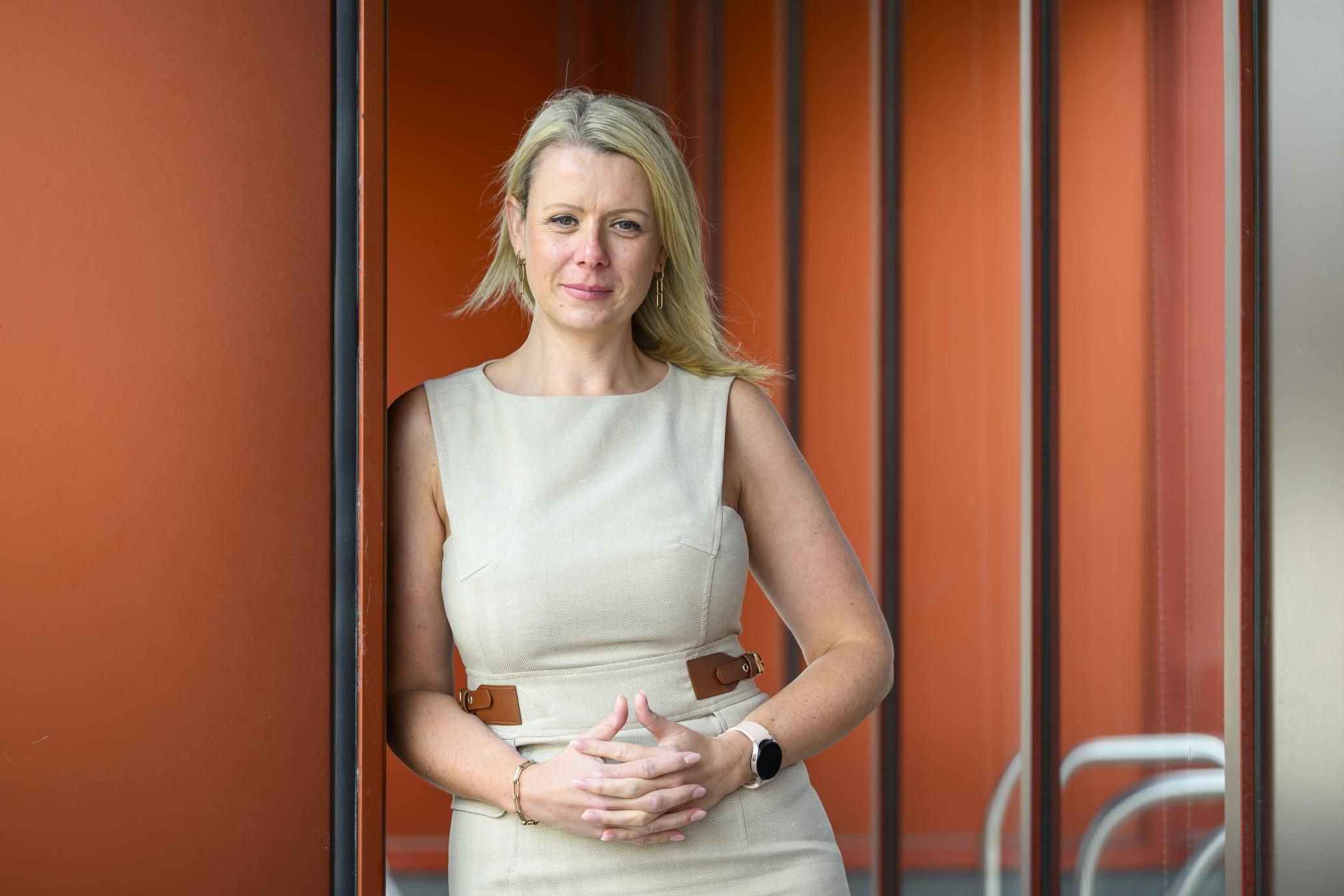
17 128 Angela Henderson 002 staff image

Angela Henderson

Angela was formerly the Director for Policy and Impact for the Scottish Learning Disabilities Observatory and remains an affiliate team member, having moved in 2024 to work with the Scottish Government leading the development of annual health checks and learning disabilities data. Angela is interested in how evidence is used in policy making and was involved in many projects at the Observatory. These included: Understanding the impact of Covid-19 on people with learning disabilities The Research Voices Project Helping to set up the SPIRE learning disabilities data project Analysing information about drug prescribing for people with learning disabilities