Home Page

  |  

Our Research


COVID-19 and people with learning disabilities

Covid-19 | Last Updated: 11 Feb 26

Background

Evidence from the UK from the early stages of the COVID-19 pandemic showed that people with learning disabilities had higher rates of COVID-19 mortality than people without learning disabilities. However, estimates of the magnitude of risk varied widely, and only the early stages of the pandemic were analysed. Analyses of risk factors have also been limited. The Scottish Learning Disabilities Observatory carried out research that aimed to cover the whole period of the pandemic, not just the early stages, and to examine risk factors in more depth than previously investigated.

 

What we did

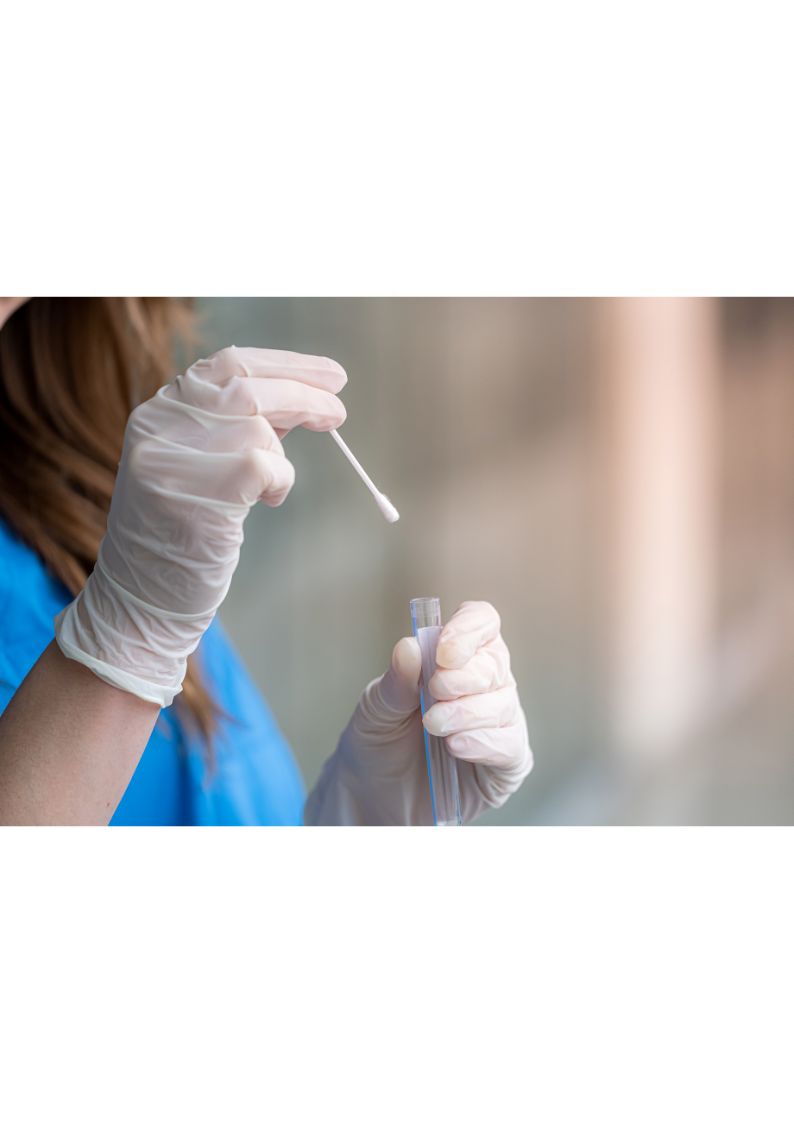
We analysed health data for the whole population of England, including who had a positive COVID-19 laboratory (PCR) test and when this took place, and who was vaccinated for COVID-19 and when they received the vaccination(s). The analysis covered the main period of the pandemic, up to the end of 2021 before the much milder Omicron variant became dominant.

What we found

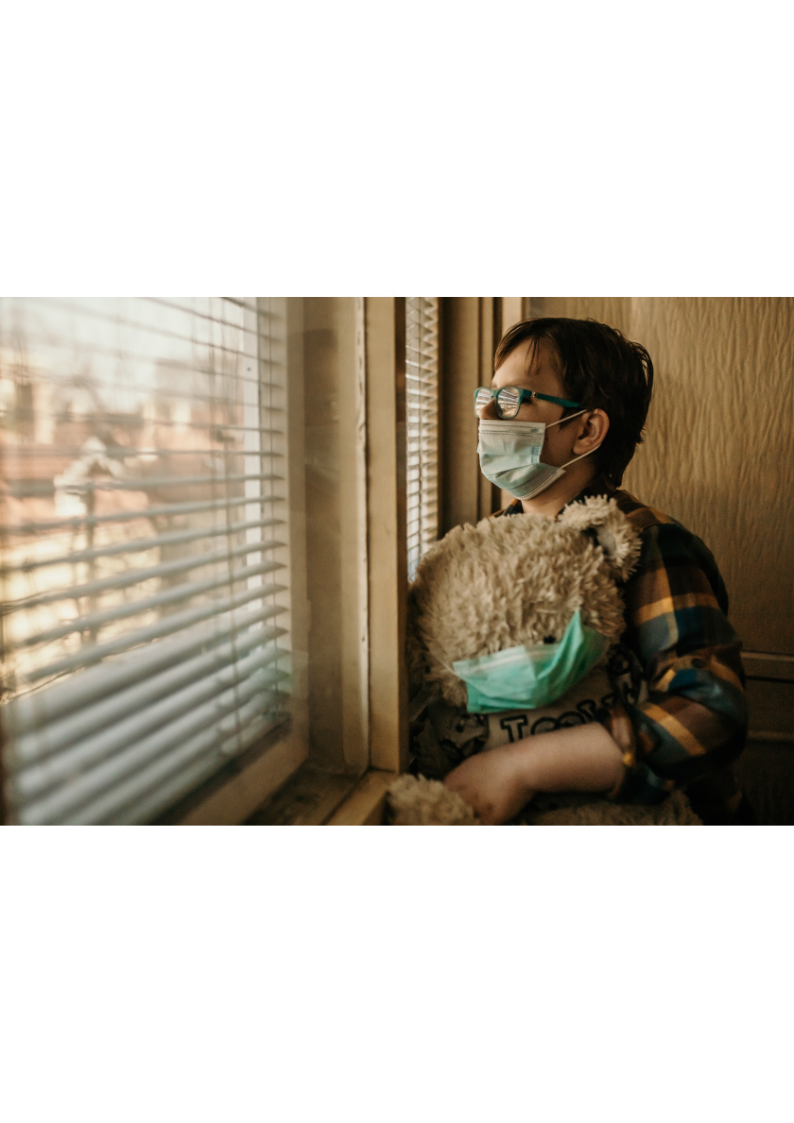
We found that, for people with learning disabilities, the risk of dying from COVID-19 was over five times higher than for people without learning disabilities. (adjusting for age and sex differences). People with learning disabilities were also much more likely to be hospitalised with COVID-19.

In both populations, key drivers of COVID hospitalisation or death included age, multimorbidity and vaccination status. Therefore, the risk was substantively higher among people who were older, those who had many health conditions, and those who were not vaccinated. Additional risk factors included being a male and being from a non-White ethnic background.

The key reason why the risk was higher among people with learning disabilities was that typically people in this population have, on average, a much higher number of health conditions (multimorbidity) than people without learning disabilities.

What these findings mean

This evidence shows that people with learning disabilities should be considered a priority group in future epidemics, particularly for interventions such as shielding and vaccinations.

The importance of taking up the invitation for COVID-19 booster vaccinations should be emphasised in communication from health authorities and organisations that support people with learning disabilities and their carers.

Additionally, the findings strongly suggest that multimorbidity among people with learning disabilities should be a priority research area in the future. It is already known that people with learning disabilities tend to develop multimorbidity earlier than other people. We need to better understand why this happens, and whether health conditions tend to emerge in a particular sequential order. Having this knowledge would allow for preventative interventions to be developed.

Project information last updated 22 November 2023.

Wider research team involved in this study

Project Lead: Filip Sosenko 

Team: Daniel Mackay, Jill P. Pell, Chris Hatton, Bhautesh D. Jani, Deborah Cairns, Laura Ward, Angela Henderson, Michael Fleming, Dewy Nijhof, Craig Melville.  

SLDO group member(s) involved in this research

25 035 Scottish Learning Disability Staff Portraits Filip Sosenko 022 staff image

Dr Filip Sosenko

Filip joined the Scottish Learning Disabilities Observatory in 2021 as a Research Associate and is currently conducting research into covid-19 outcomes among people with learning disabilities. His previous research focused on severe poverty and associated phenomena, such as the use of food banks, homelessness, and ‘complex needs’. A sociologist by background, Filip has a keen interest in health inequalities. He has advanced statistical skills and expertise in research methodology.

25 035 Scottish Learning Disability Staff Portraits Dewy Nijhof 026 staff image

Dewy Nijhof

Dewy is a Research Assistant with the Scottish Learning Disabilities Observatory. She has previously completed internships within the EU-AIMS consortium, a Europe-wide collaboration which aims to gain a better understanding of autism - neurologically, genetically, and behaviourally - and experiences of people with Autism and their families in order to decrease difficulties that are associated with Autism. After finishing her degrees in Psychology and Brain Sciences, she worked in the field of Public Health, where she focused particularly on health inequalities in vulnerable groups within the community. In her current position with the Observatory, she is able to combine her experience in Public Health and Autism research. She will be focusing on large datasets, such as census and health record data, in order to gain a better understanding of health inequalities experienced by people with Autism in Scotland.

Craig staff image

Professor Craig Melville

Craig is a Professor of Neurodevelopmental Psychiatry in the School of Health and Wellbeing at the University of Glasgow. His work focuses on using evidence from research to inform the development of interventions and policy to improve the health of people with neurodevelopmental conditions. Craig has worked on clinical trials of complex interventions, such as psychological therapies, weight management and health checks in primary care. Evidence from epidemiological research has been central to the development of these clinical trials and his work with SLDO centres on how to use Scotland’s national datasets to understand and tackle the health inequalities experienced by people with neurodevelopmental conditions.

Laura Ward staff image

Dr Laura Ward

Laura is an Affiliate Associate Researcher at the Observatory, involved in ongoing work about cancer screening, cancer incidence and cancer-related deaths, as well as pain and prescribing in adults with intellectual disabilities/autism. In 2023, Laura took up the role of Project Manager of the Trusted Research Environment (TRE) at the Health Informatics Centre (HIC) at the University of Dundee. The TRE, or Safe Haven as it is known in Scotland, is responsible for curation and provisioning of NHS Scotland patient data.

17 128 Angela Henderson 002 staff image

Angela Henderson

Angela was formerly the Director for Policy and Impact for the Scottish Learning Disabilities Observatory and remains an affiliate team member, having moved in 2024 to work with the Scottish Government leading the development of annual health checks and learning disabilities data. Angela is interested in how evidence is used in policy making and was involved in many projects at the Observatory. These included: Understanding the impact of Covid-19 on people with learning disabilities, The Research Voices Project, Helping to set up the SPIRE learning disabilities data project, Analysing information about drug prescribing for people with learning disabilities

Jill Pell staff image

Professor Jill Pell

The Scottish Learning Disabilities Observatory is based in the School of Health and Wellbeing at Glasgow University; Professor Jill Pell was formerly Director of the School. She is an expert in Public Health. Jill also has another role as Honorary Consultant in Public Health in NHS Greater Glasgow and Clyde. Jill’s main research interests are in: Long term conditions like diabetes Maternal and child health Obesity Smoking A lot of her research draws on different administrative data and uses data linkage methods to help answer important public health questions. For example, Jill is leading research which will help to understand the different things associated with additional educational support needs.