Home Page

  |  

Our Research


Hospital admissions for physical conditions for people with learning disabilities

Medication, Prescribing and Healthcare Services | Last Updated: 25 Mar 26

Background

People with learning disabilities are more likely to have certain medical conditions, such as respiratory diseases and heart defects, than the general population.   As a result, they may be admitted to hospital more frequently and for different reasons than people who do not have learning disabilities.  In particular, there may be a higher rate of preventable admissions among this group.  Certain conditions which can be treated by medical care professionals within the community, and should not lead to a hospital admission, are deemed preventable admissions.  For example, if managed properly diabetes is a condition which should not lead to a hospital visit.

What we did

The aim of this project was to review the existing research in this field and determine if people with learning disabilities are admitted to hospital more frequently than the general population, if they are admitted for different reasons, and if there are more preventable hospital admissions for this group.

SLDO Affiliate Dr Kirsty Dunn systematically reviewed the existing literature using a range of databases from January 1960 to January 2015.  The search was conducted using key words relating to learning disabilities and hospital admissions, and articles were selected based on their relevance to my research.  A selection of the identified articles was checked by a second researcher, for quality assurance. 

What we found

After completing the search, and removing duplicate articles, 29,595 papers were initially identified.  After applying our inclusion and exclusion criteria, this was reduced to seven papers.  Four papers reported how often people with learning disabilities were admitted for preventable conditions. Results indicated that adults with learning disabilities are admitted to hospital more often than the general population. Four of the five papers that reported length of stay found that, once admitted, adult patients with learning disabilities also have a longer length of stay than other people.  Three papers reported preventable admissions for diabetes, asthma, and epilepsy related admissions. However, there was no clear pattern of admissions between the papers.  

What these findings mean

People with learning disabilities are admitted to hospital more often for preventable conditions than the general population, and when admitted for preventable conditions they remain in hospital longer.  It is unclear if the pattern of conditions they are admitted for differs from the general population, or if they experience more repeat admissions. In general the existing literature is limited, so we need to understand this better in order to inform how we can reduce admissions and repeat admissions for people with learning disabilities. The Scottish Learning Disabilities Observatory is investigating this further.

You can read the full article published in the Journal of Applied Research in Intellectual Disabilities (JARID) at the link below. 

Project information last updated in May 2018. 

Group member(s) involved in this research

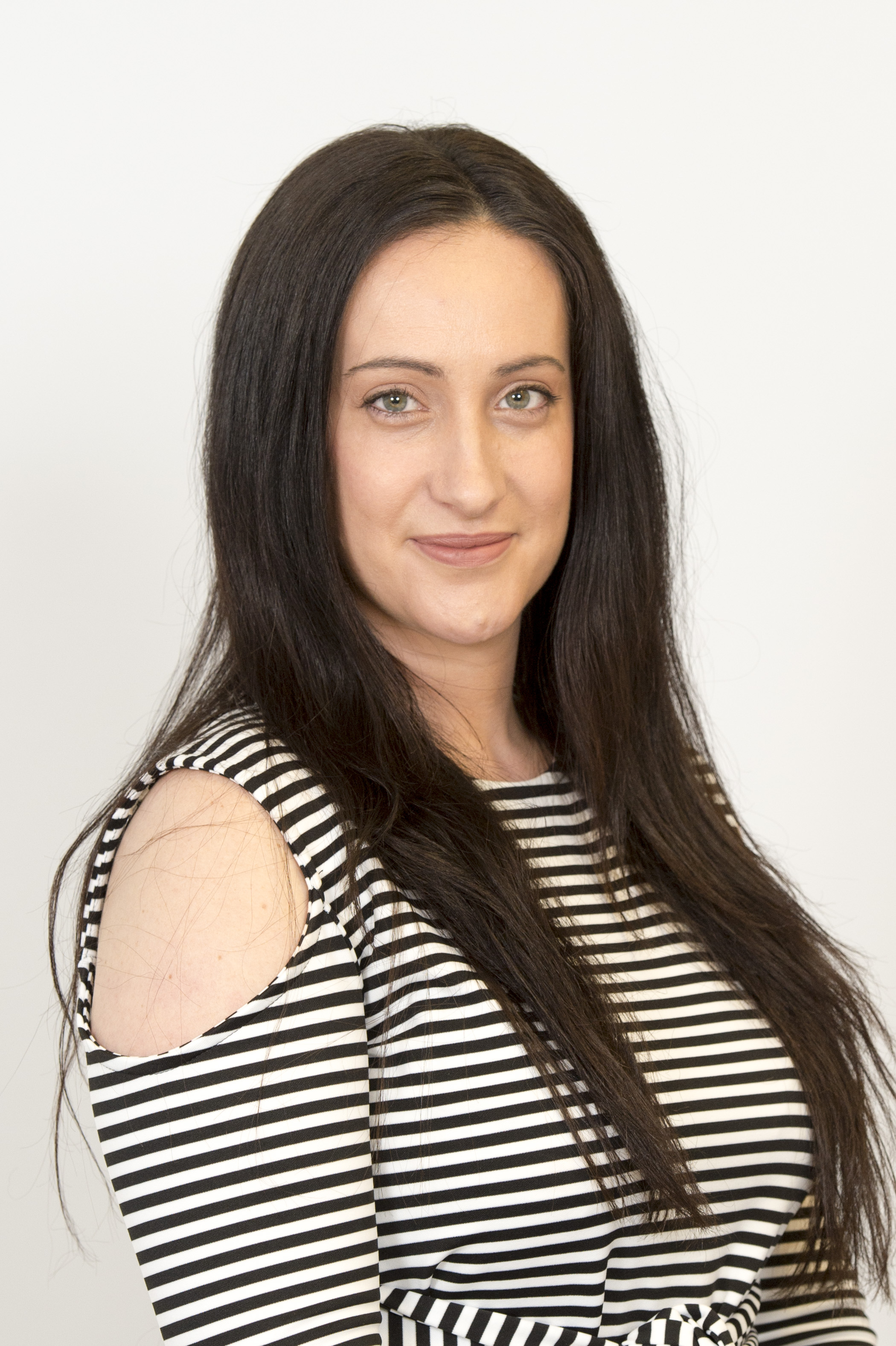
17 128 Kirsty Dunn 001 staff image

Dr Kirsty Dunn

Kirsty is a Lecturer in Clinical Psychology at the University of Glasgow, and is an affiliate of the Scottish Learning Disabilities Observatory, having joined the team in 2015. She is interested in the health and wellbeing of individuals with learning disabilities and their families. Previously, Kirsty has worked on projects examining patterns of hospital admissions, prevalence of physical and mental health conditions, and the impact of caring for a son/daughter with learning disabilities on fathers. Her current research projects are exploring: The impact of bullying on young people's mental health Common mental health conditions experienced by children and young people Patterns of long-term health conditions and prescribing in adults

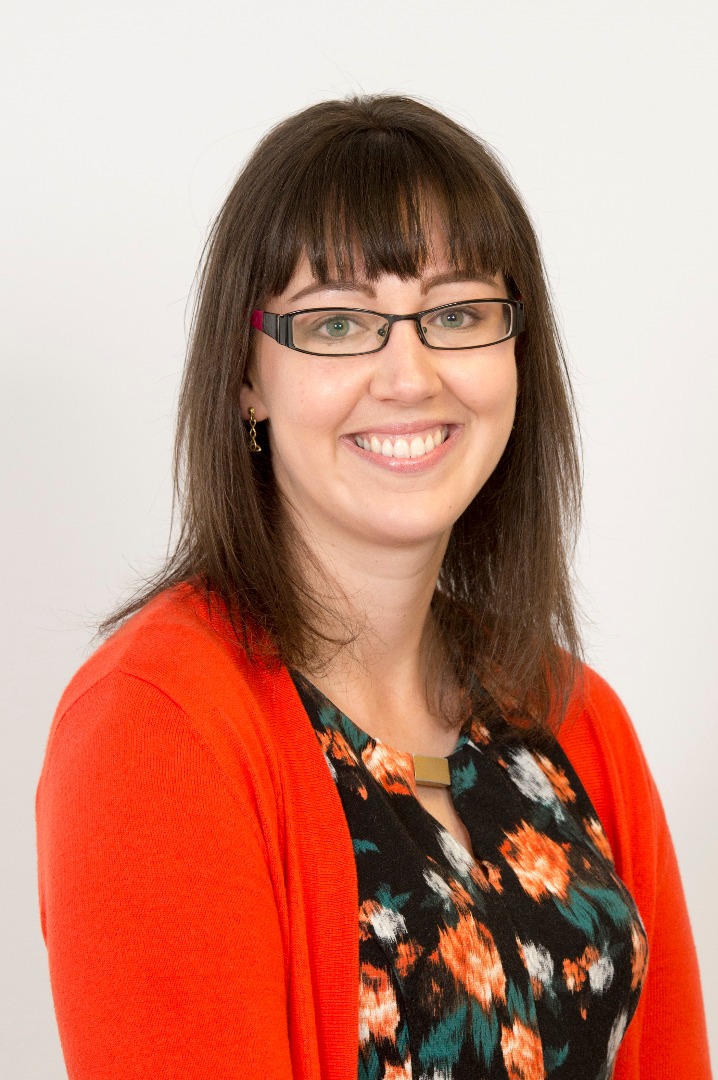
17 128 Laura Hughes Mccormack 001 staff image

Dr Laura Hughes

Laura is a Lecturer in Clinical Psychology at the University of Glasgow, and an affiliate of the Scottish Learning Disabilities Observatory, having joined the team in 2015. With the Observatory, Laura was involved in projects looking at the health of people with learning disabilities in a number of large data-sets, including primary health care records, Scotland's 2011 Census and health records of people born with Down Syndrome in Scotland over a 25 year period. Laura studied Psychology and has extensive experience of working with people with learning disabilities in her previous roles, for example, as a Befriender, a Learning Assistant and an Assistant Psychologist. Read more about Laura at the link below

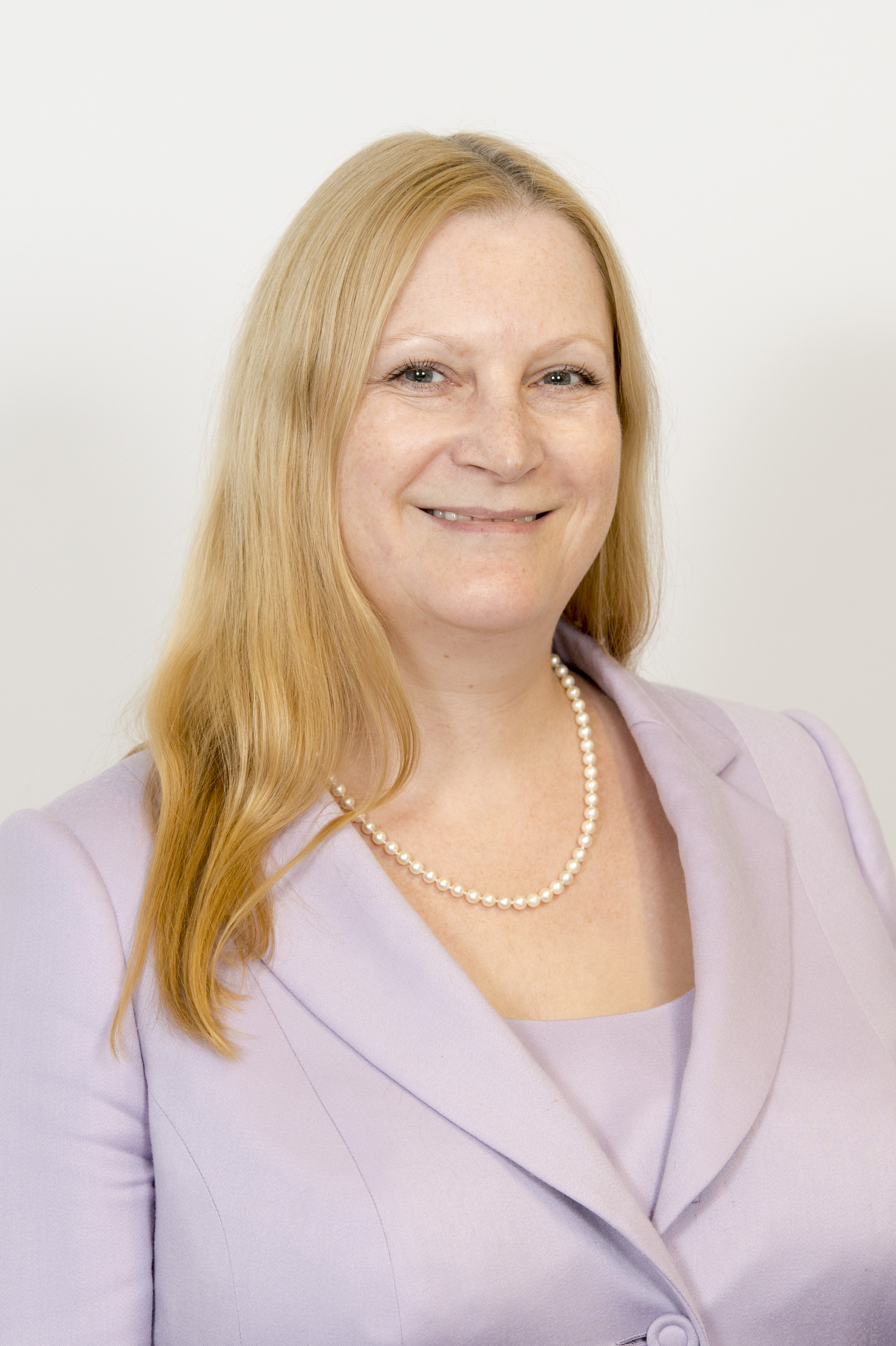
17 128 Anne Cooper 003 staff image

Professor Anna Cooper

Anna set up the Scottish Learning Disabilities Observatory with funding from the Scottish Government. She wants the Observatory to make Scotland fairer and healthier for people with learning disabilities and their families, by: Finding out the health problems people have Finding out how good or bad health care is Telling people about health and health care problems Finding ways to make health and health care better Checking if health gets better or worse over time Helping the Scottish Government, and staff who provide health and social services, to get it right for people with learning disabilities Anna is a doctor. She has done a lot of studies on the health of people with learning disabilities. Anna’s full name is Professor Sally-Ann Cooper.