Home Page

  |  

Our Research


Navigating the post-school transition process for families of a young person with developmental disabilities

Transitions to adulthood | Last Updated: 09 Apr 26

Background

It is well recognised that the support received by families during a young person's transition to the post-secondary school world is inadequate. Families have frequently reported a lack of available information and transparency about the transition process for their young person. Studies demonstrate that transition planning, which aims to map out daily activities and supports beyond school, might also fail to take account of a young person's individual needs and aspirations, and often occurs too late in their school career to be effective. Consequently, navigating the transition process has been identified by families as one of the most stressful aspects of caring for a young person with developmental disabilities. 

In previous Observatory research, family carers have expressed a wish that there had been a resource available which they could have used as a guide to help them understand what to expect during this time in the young person's life.

The overarching aim of this project was to enhance family knowledge and confidence in navigating the post-secondary school transition for young people with learning and developmental disabilities. To achieve this, the project involved:

  1. Developing a self-help booklet available both online and in printable format.
  2. Testing the acceptability and feasibility of the booklet with families of young people with developmental disabilities.

By bringing together family carers and researchers, we aimed to ensure that the booklet is both practical and user-friendly. We also anticipated the project will raise awareness of the research conducted by the project team among family carers and relevant stakeholders. 

What we did

Phase I

The first phase of this project was the first step in addressing this unmet need through co-creating an online survey with a steering group, made up of parents of people with developmental disabilities and autism, young people who have been through the transition, and members of DIFFERabled Scotland. Through this survey we aimed to better understand the issues that parents experience during the transition process and identify the type of resource required to assist carers in the navigation of the post-secondary school transition process of their young person with developmental disabilities.

Phase II

We worked with the steering group to use the information from survey respondents to co-design an online resource to help families navigate the post-secondary school transition process.

While no such one-stop information resource currently exists for this population, findings from the questionnaire developed in phase one have helped identify the types of information and guidance that families would find most beneficial. This input has directly informed the development of the booklet which is now available at the link below. We also have a limited number of printed copies available. If you would like to receive some printed copies, please get in touch. 

Group member(s) involved with this study

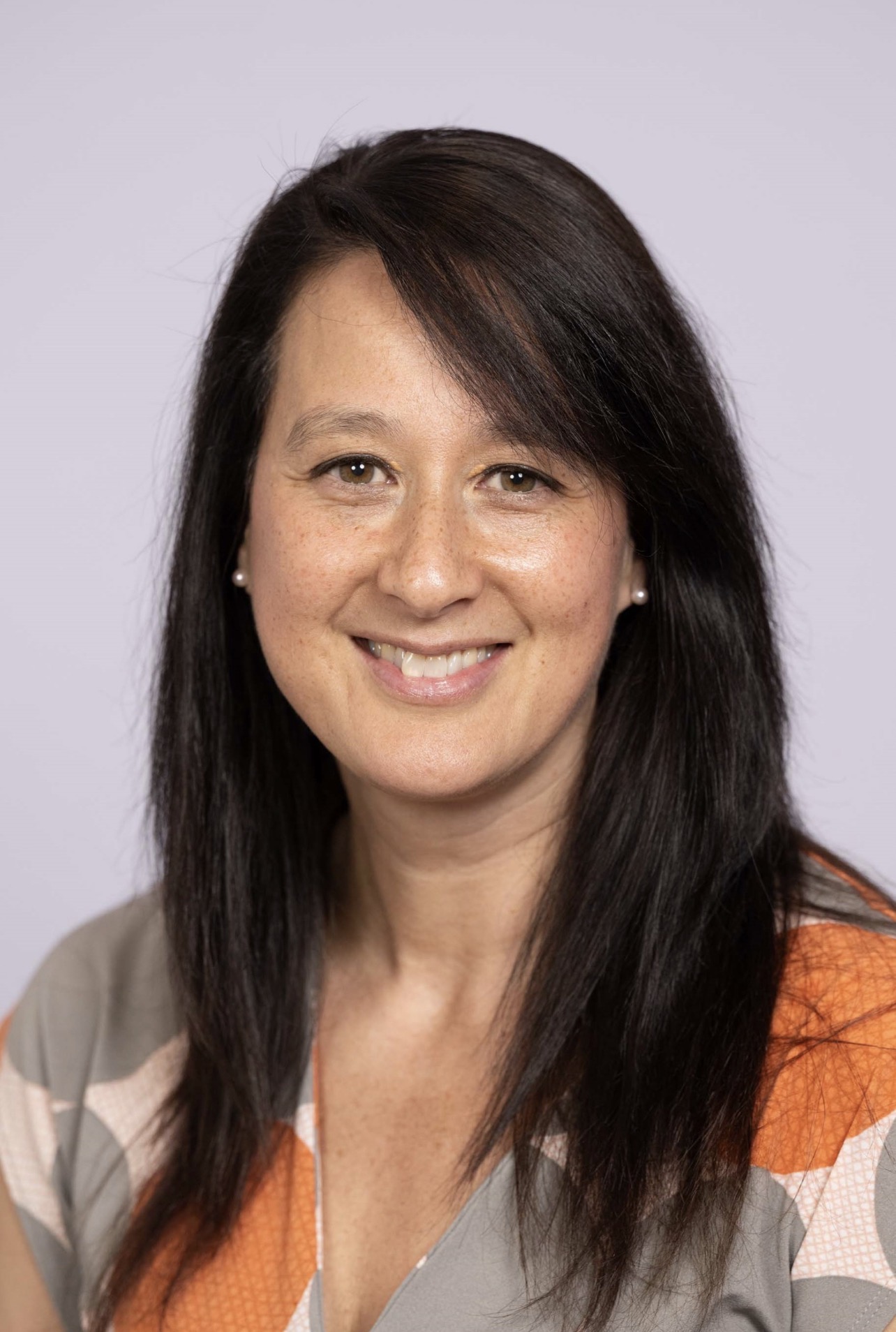
Maria staff image

Dr Maria Truesdale

Maria is a Senior Lecturer in Intellectual Disabilities at the University of Glasgow. Her goal is to improve the physical and mental health and wellbeing of people with intellectual disabilities and their carers through the evaluation, development and testing of complex interventions using gold standard methodology and inclusive research. Maria has conducted a number of trials using complex interventions in physical and mental health for people with intellectual disabilities and has played a central part in the development of a randomised control trial of the clinical and cost-effectiveness of the DESMOND-ID structured education programme for adults with intellectual disability and type 2 diabetes. This multi-site study is the largest funded trial internationally of a health behaviour intervention for people with an intellectual disability. Maria also supports the teaching and delivery of the Post Graduate Positive Behaviour Support programme and contributes to the supervision of University of Glasgow Postgraduate courses, namely MSc in Global Mental Health and MSc in Public Health. She is also the Mental Health and Wellbeing co-lead for Early Career Researchers. Recent and current projects have been funded by NIHR, ESRC (UK Research and Innovation), Baily Thomas Charitable Fund and The Burdett Trust for Nursing.

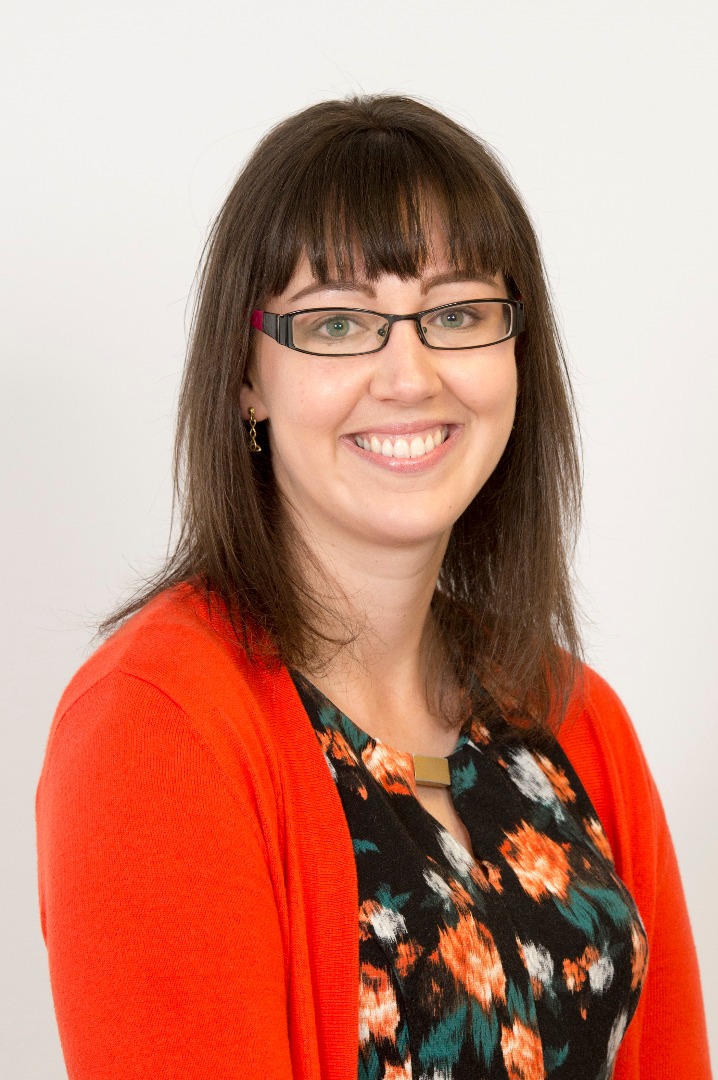
17 128 Kirsty Dunn 001 staff image

Dr Kirsty Dunn

Kirsty is a Lecturer in Clinical Psychology at the University of Glasgow, and is an affiliate of the Scottish Learning Disabilities Observatory, having joined the team in 2015. She is interested in the health and wellbeing of individuals with learning disabilities and their families. Previously, Kirsty has worked on projects examining patterns of hospital admissions, prevalence of physical and mental health conditions, and the impact of caring for a son/daughter with learning disabilities on fathers. Her current research projects are exploring: The impact of bullying on young people's mental health Common mental health conditions experienced by children and young people Patterns of long-term health conditions and prescribing in adults