Home Page

  |  

Our Research


Dental General Anaesthetic and access to dental services for young people with learning disabilities, autism and other educational additional support needs

Oral Health | Last Updated: 22 Jun 26

Background

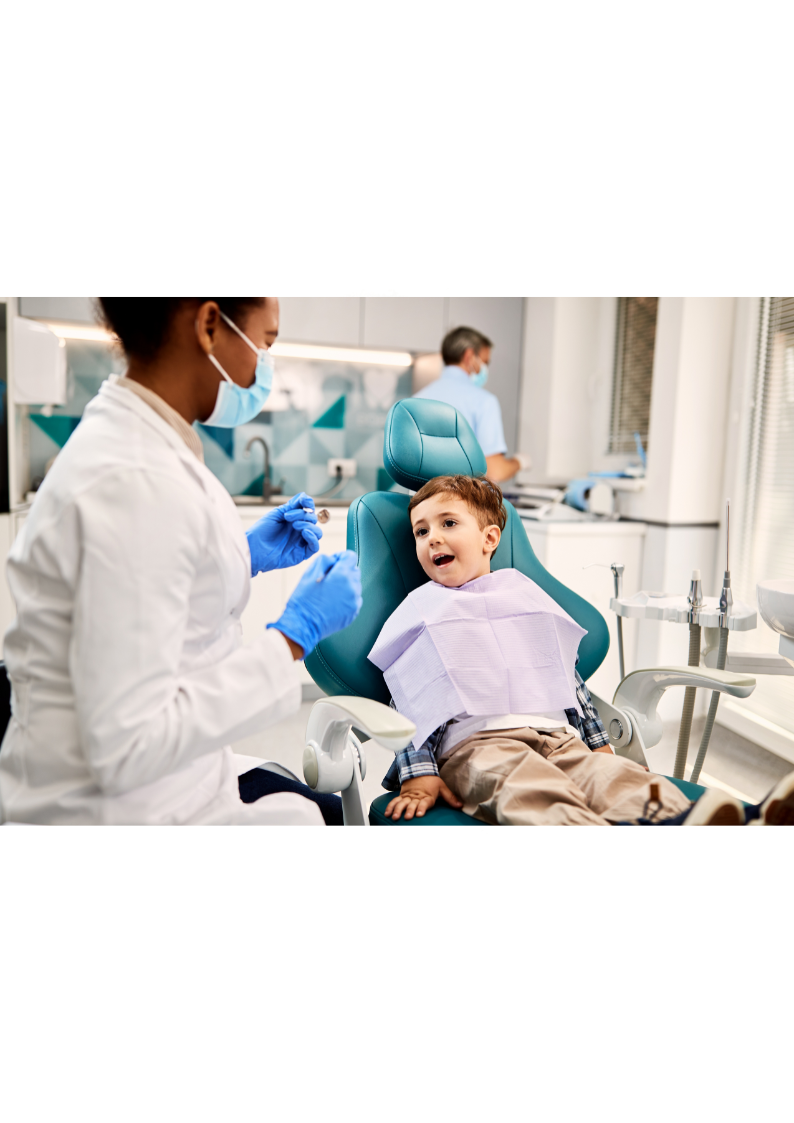
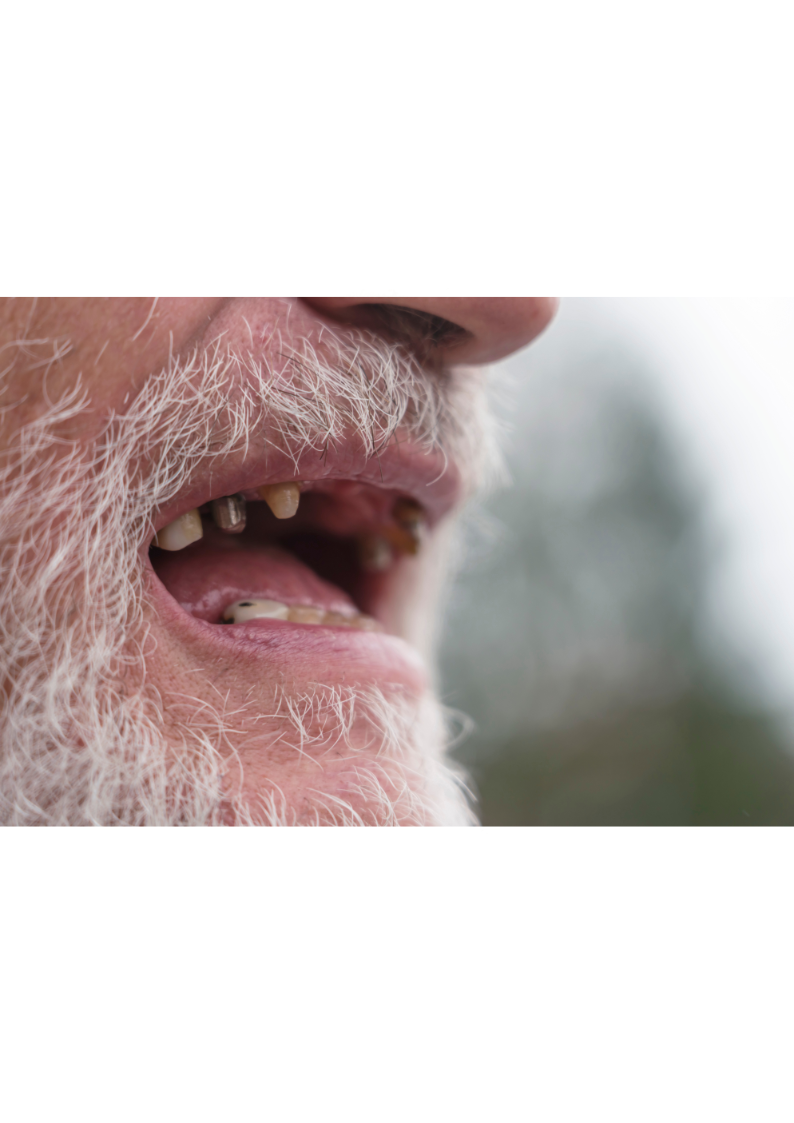
There is evidence to show that young children with educational additional support needs (ASN) have poorer oral health and less access to primary care dental services than their peers, however, less is known about the oral health and dental service access of young people with ASN as they embark on secondary education. This study investigates the rates of tooth extraction under general anaesthesia and primary care dental attendance in young people with educational ASN attending secondary school in Scotland.

What we did

We conducted a multi-cohort study of 214,142 young people followed up from age 12 to 16 years in Scotland using data linkage of three routine databases: Pupil Census; Scottish Morbidity Records; and Management Information and Dental Accounting System. Rates of tooth extraction under general anaesthetic in hospital and access to primary care dental services were compared among young people with ASN to those with no recorded ASN.

What we found

Tooth extraction under general anaesthesia was higher among young people with autism (Adjusted Risk Ratio (aRR)=2.48; 95% Confidence Interval (CI)=1.85 to 3.25) and with learning disabilities (aRR=1.76; 95% CI =1.43 to 2.16) compared to those with no ASN. Regular attendance at primary dental care was less likely for young people with any ASN, particularly among those with learning disabilities and social-related ASN.

What these findings mean

Young people with ASN experience greater inequalities in oral health and dental care, which would also include preventive interventions, than their peers without ASN. Early intervention through national oral health improvement programmes such as Childsmile may help reduce these inequalities.

Full research team involved in this study

Project Lead: Andrea Sherriff

Team: Ryan Stewart, William Wright  Lucy Docherty, Katie Dudman, Robin Young, Deborah Cairns, Angela Henderson, and David I Conway.

Group members involved with this study

Debbie staff image

Professor Deborah Cairns

Deborah is the Director of the Scottish Learning Disabilities Observatory and Professor of Health and Neurodevelopmental Conditions, in the School of Health and Wellbeing, at the University of Glasgow. Deborah is passionate about her research which aims to improve the health of people with learning disabilities and their families. She has worked on many different projects about people with learning disabilities including: cancer incidence, cancer screening, multi-morbidity (having two or more health conditions), oral health and COVID-19, to name a few. She has also worked on projects about the physical and mental health of family members who support someone with a learning disability. Deborah is committed to conducting research that has impact and works closely with self-advocates with learning disabilities, family carers and third sector organisations who are pivotal in all of her work and who have a shared vision of ensuring the human rights of all people with learning disabilities are recognised, supported and upheld.

17 128 Angela Henderson 002 staff image

Angela Henderson

Angela was formerly the Director for Policy and Impact for the Scottish Learning Disabilities Observatory and remains an affiliate team member, having moved in 2024 to work with the Scottish Government leading the development of annual health checks and learning disabilities data. Angela is interested in how evidence is used in policy making and was involved in many projects at the Observatory. These included: Understanding the impact of Covid-19 on people with learning disabilities, The Research Voices Project, Helping to set up the SPIRE learning disabilities data project, Analysing information about drug prescribing for people with learning disabilities