Talking about learning disability (Talk-LD): a school based intervention to prevent bullying and promote understanding about people with learning disabilities (Talk-LD)
Background
Bullying and hate crime have a terrible effect on the lives of people with learning disabilities, and there is need to look at ways to tackle this. One way to do this is through a school based intervention to help young people have a better understanding about people with learning disabilities.
What we did
Twelve schools were recruited and randomised to deliver either Talk-LD (five lessons) or Talk-LD+ (five lessons plus contact).
Pre-lesson attitudinal data was collected from the 12 schools. Due to the Covid-19 pandemic, post-lesson data was only collected from six schools. Qualitative data was also obtained from three individual teacher interviews and five group pupil interviews.
What we found
This study shows that it is possible to deliver Talk-LD to students in secondary schools as part of the Personal and Social Education (PSE) curriculum in Scottish schools. The Scottish Government has committed to promoting the delivery of Talk-LD in Scottish schools, as part of its Transformation Plan for Intellectual Disability and Autism (Scottish Government, 2021). Whilst no school managed to deliver a contact activity, the enthusiastic engagement with the process, and the plans made in three schools prior to lockdown, suggest that it is feasible for schools to make plans for positive contact between students and people with learning disabilities.
While the study suggests that it would be feasible to conduct a large-scale RCT, more sensitive approaches are required to examine attitude change towards people with a learning disability.
Project information last updated February 2023.
Project leads: Andrew Jahoda, Roseann Maguire
Wider team involved in this work: Alastair Wilson (University of Strathclyde).

SLDO Group member(s) involved in this research
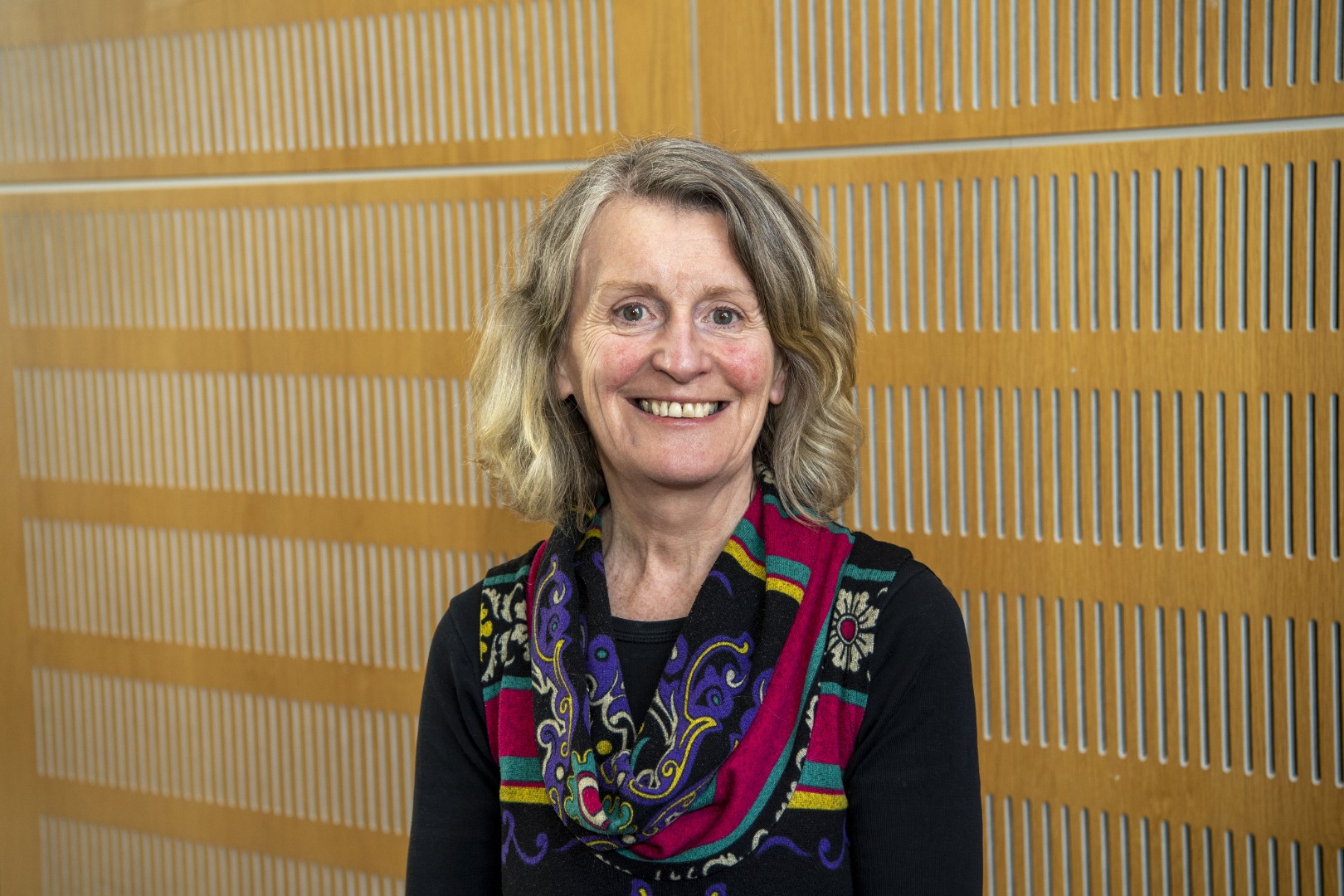
Roseann Maguire
Roseann is an Honorary Research Fellow and Affiliate Researcher with the Scottish Learning Disabilities Observatory and has worked at the University of Glasgow since 2015. Her previous work includes research on children’s mental health services, children’s rights in education, violence against women, restorative justice, and the lived experiences of disabled people. Recent projects include: The production of an anti-bullying resource to promote understanding and acceptance of people with learning disabilities. Coronavirus and people with learning disabilities study. Drumming Up Change – a project which brings young people into contact with people with learning disabilities through community activities in Drumchapel.

Professor Andrew Jahoda
Andrew Jahoda is a Professor of Learning Disabilities in the School of Health and Wellbeing at the University of Glasgow. He also has an honorary position as a consultant clinical psychologist with NHS Greater Glasgow and Clyde. Andrew has worked at Glasgow University since 1998. His research interests concern the mental health and wellbeing of people with intellectual disabilities. This includes work about the impact of stigma and ways of promoting inclusion. Another strand of research is about adapting psychological therapies like Cognitive Behavioural Therapy and behavioural activation for people with learning disabilities, to make them more accessible and sensitive to people’s lived experience.
Talking About Learning Disability