Home Page

  |  

Our Research


Hospital admission rates for children and young people with learning disabilities

Children and Young People | Last Updated: 16 Feb 26

Background

Children and young people with learning disabilities have higher rates of physical health conditions compared with other children. Increased hospital admissions for conditions which are ambulatory care sensitive is indicative of poor management in primary care. This cohort study aims to investigate the frequency and duration of hospital admissions and the most common conditions for children and young people with learning disabilities.
What we did

Scotland’s annual Pupil Census covers all publicly funded primary, secondary and special schools in Scotland. A national cohort of children and young people with learning disabilities was established using data from Pupil Census records 2008 up to 2013. To investigate hospital admission rates across Scotland, we linked this data to the Scottish Morbidity Register up to 2015, which identifies all acute hospital admissions including both planned and emergency admissions. Prospective emergency admissions as well as planned admissions to hospital were identified. Cox proportional hazards models were used to investigate the risk of prospective admission for pupils with versus without learning disabilities.

What we found

18,278 pupils with learning disabilities were identified in the Pupil Census along with 777,912 pupils without learning disabilities. 17,051 total admissions were recorded for 5,089 pupils with learning disabilities (28%), compared to 277,012 admissions for 157,565 (20%) of controls. 15% of pupils with learning disabilities had emergency admissions versus 12% of controls. Further data analysis is ongoing. On completion, descriptive statistics for age, frequency and duration of hospital stay, as well as most common conditions, and hazard ratios for the risk of admission will be reported. Results for both emergency and planned admissions will be included.

What these findings mean

The evidence from this study will increase understanding of the rates of hospital admissions including for conditions which are managed in the community. Results will enable policy makers and practitioners to improve clinical practice in order to reduce avoidable hospital admissions, and provide targeted areas for management outside of an acute care setting.

Project information last updated September 2020. 

Read the full article published in the BMJ Open in 2025. 

Project lead: Gillian Smith

Research Team: Michael Fleming, Sally- Ann Cooper, Craig Melville, Deborah Cairns Angela Henderson, Jill Pell

SLDO Group member(s) involved in this research

Debbie staff image

Professor Deborah Cairns

Deborah is the Director of the Scottish Learning Disabilities Observatory and Professor of Health and Neurodevelopmental Conditions, in the School of Health and Wellbeing, at the University of Glasgow. Deborah is passionate about her research which aims to improve the health of people with learning disabilities and their families. She has worked on many different projects about people with learning disabilities including: cancer incidence, cancer screening, multi-morbidity (having two or more health conditions), oral health and COVID-19, to name a few. She has also worked on projects about the physical and mental health of family members who support someone with a learning disability. Deborah is committed to conducting research that has impact and works closely with self-advocates with learning disabilities, family carers and third sector organisations who are pivotal in all of her work and who have a shared vision of ensuring the human rights of all people with learning disabilities are recognised, supported and upheld.

Craig staff image

Professor Craig Melville

Craig is a Professor of Neurodevelopmental Psychiatry in the School of Health and Wellbeing at the University of Glasgow. His work focuses on using evidence from research to inform the development of interventions and policy to improve the health of people with neurodevelopmental conditions. Craig has worked on clinical trials of complex interventions, such as psychological therapies, weight management and health checks in primary care. Evidence from epidemiological research has been central to the development of these clinical trials and his work with SLDO centres on how to use Scotland’s national datasets to understand and tackle the health inequalities experienced by people with neurodevelopmental conditions.

17 128 Anne Cooper 003 staff image

Professor Anna Cooper

Anna set up the Scottish Learning Disabilities Observatory with funding from the Scottish Government. She wants the Observatory to make Scotland fairer and healthier for people with learning disabilities and their families, by: Finding out the health problems people have Finding out how good or bad health care is Telling people about health and health care problems Finding ways to make health and health care better Checking if health gets better or worse over time Helping the Scottish Government, and staff who provide health and social services, to get it right for people with learning disabilities Anna is a doctor. She has done a lot of studies on the health of people with learning disabilities. Anna’s full name is Professor Sally-Ann Cooper.
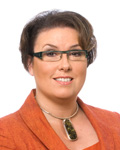
17 128 Angela Henderson 002 staff image

Angela Henderson

Angela was formerly the Director for Policy and Impact for the Scottish Learning Disabilities Observatory and remains an affiliate team member, having moved in 2024 to work with the Scottish Government leading the development of annual health checks and learning disabilities data. Angela is interested in how evidence is used in policy making and was involved in many projects at the Observatory. These included: Understanding the impact of Covid-19 on people with learning disabilities, The Research Voices Project, Helping to set up the SPIRE learning disabilities data project, Analysing information about drug prescribing for people with learning disabilities

Jill Pell staff image

Professor Jill Pell

The Scottish Learning Disabilities Observatory is based in the School of Health and Wellbeing at Glasgow University; Professor Jill Pell was formerly Director of the School. She is an expert in Public Health. Jill also has another role as Honorary Consultant in Public Health in NHS Greater Glasgow and Clyde. Jill’s main research interests are in: Long term conditions like diabetes Maternal and child health Obesity Smoking A lot of her research draws on different administrative data and uses data linkage methods to help answer important public health questions. For example, Jill is leading research which will help to understand the different things associated with additional educational support needs.